

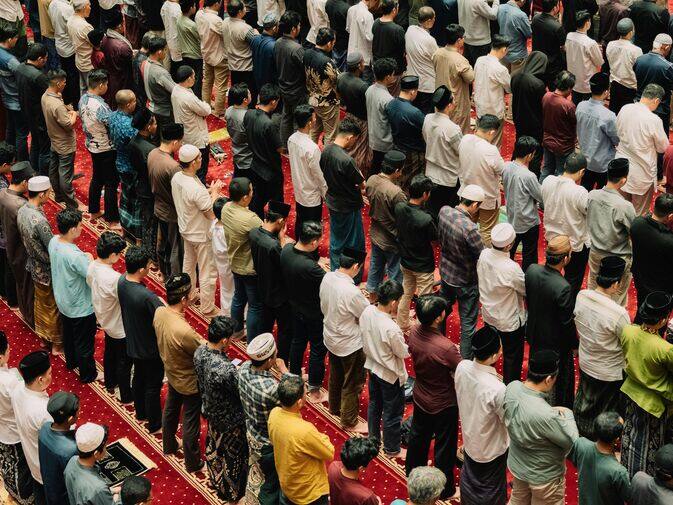
Detoxing the Body and Mind: The Spiritual and Health Benefits of Ramadan Fasting.
Ramadan fasting is a deeply spiritual practice observed by millions of Muslims worldwide. Beyond its religious significance, fasting during Ramadan offers profound physical and mental detoxification benefits. Scientific research and traditional wisdom highlight how fasting helps cleanse the body, enhance mental clarity, and promote overall well-being. Here’s an in-depth look at the spiritual and health benefits of Ramadan fasting.
1. Physical Detoxification: Cleansing the Body
Fasting acts as a natural detox for the body, allowing it to eliminate toxins and improve metabolic functions.
Key Health Benefits:
- Cellular Repair and Autophagy: Fasting triggers autophagy, a process where cells remove damaged components, reducing the risk of diseases like cancer and neurodegenerative disorders (National Institutes of Health, 2021).
- Improved Digestion: Giving the digestive system a break allows it to reset, reducing bloating and digestive issues (Harvard T.H. Chan School of Public Health, 2022).
- Balanced Blood Sugar Levels: Fasting can enhance insulin sensitivity, lowering the risk of Type 2 diabetes (American Diabetes Association, 2022).
- Fat Burning and Weight Loss: By depleting glycogen stores, the body shifts to burning fat for energy, promoting healthy weight loss (Journal of Obesity & Metabolic Syndrome, 2021).
- Reduced Inflammation: Studies suggest that intermittent fasting lowers inflammatory markers, reducing the risk of chronic diseases like heart disease and arthritis (World Health Organization, 2022).
2. Mental Clarity and Emotional Well-Being
Ramadan fasting not only benefits the body but also enhances mental and emotional health.
Cognitive and Psychological Benefits:
- Enhanced Brain Function: Fasting promotes the production of brain-derived neurotrophic factor (BDNF), which supports memory and learning (National Institutes of Health, 2022).
- Increased Focus and Mental Clarity: With reduced food intake, the body conserves energy, leading to improved concentration and cognitive function (Cleveland Clinic, 2021).
- Reduced Stress and Anxiety: Fasting has been shown to lower cortisol levels, promoting a sense of calm and emotional stability (Mayo Clinic, 2021).
- Better Sleep Patterns: Fasting helps regulate circadian rhythms, leading to deeper and more restful sleep (Sleep Foundation, 2022).
3. Spiritual Detox: Strengthening Faith and Self-Discipline
Beyond the physical and mental benefits, Ramadan fosters spiritual growth and self-discipline.
Spiritual Benefits:
- Increased Self-Control: Abstaining from food, drink, and negative behaviors cultivates patience and self-discipline (Islamic Research Foundation, 2021).
- Stronger Connection to Faith: Daily prayers, Quran recitations, and acts of charity deepen spiritual awareness and devotion (Islamic Institute of Knowledge, 2022).
- Gratitude and Compassion: Experiencing hunger fosters empathy for the less fortunate, encouraging charitable giving and social unity (UNICEF, 2021).
4. Practical Tips for a Healthy Ramadan Detox
To maximize the detox benefits of fasting, follow these practical guidelines:
- Hydrate Well: Drink plenty of water during Suhoor and Iftar to flush out toxins.
- Eat Nutrient-Dense Foods: Focus on whole foods like fruits, vegetables, lean proteins, and healthy fats.
- Avoid Processed and Sugary Foods: These can cause blood sugar spikes and reduce the benefits of fasting.
- Engage in Light Exercise: Gentle activities like walking or stretching can enhance detoxification without overexerting the body.
- Practice Mindfulness and Reflection: Incorporate meditation, prayer, and gratitude journaling to cleanse the mind and spirit.
Conclusion
Ramadan fasting serves as a holistic detox for the body, mind, and soul. It enhances physical health by promoting cellular repair, weight loss, and balanced blood sugar levels. Additionally, it fosters mental clarity, emotional stability, and spiritual growth. By embracing a mindful approach to fasting, individuals can experience both the health and spiritual rewards of Ramadan.
References
- National Institutes of Health (2021). "The Role of Autophagy in Disease Prevention."
- Harvard T.H. Chan School of Public Health (2022). "Intermittent Fasting and Digestive Health."
- American Diabetes Association (2022). "Fasting and Blood Sugar Regulation."
- Journal of Obesity & Metabolic Syndrome (2021). "The Effects of Fasting on Weight Management."
- World Health Organization (2022). "Inflammation and Chronic Disease Prevention."
- Cleveland Clinic (2021). "How Fasting Affects Brain Function."
- Mayo Clinic (2021). "Fasting and Stress Reduction."
- Sleep Foundation (2022). "Circadian Rhythms and Sleep Health."
- Islamic Research Foundation (2021). "The Spiritual Discipline of Fasting."
- 10.Islamic Institute of Knowledge (2022). "Strengthening Faith Through Ramadan."
- 11.UNICEF (2021). "Fasting and Social Empathy."
https://www.babacares.com/blog-details?details=344&title=Detoxing+the+Body+and+Mind%3A+The+Spiritual+and+Health+Benefits+of+Ramadan+Fasting.










Comments