

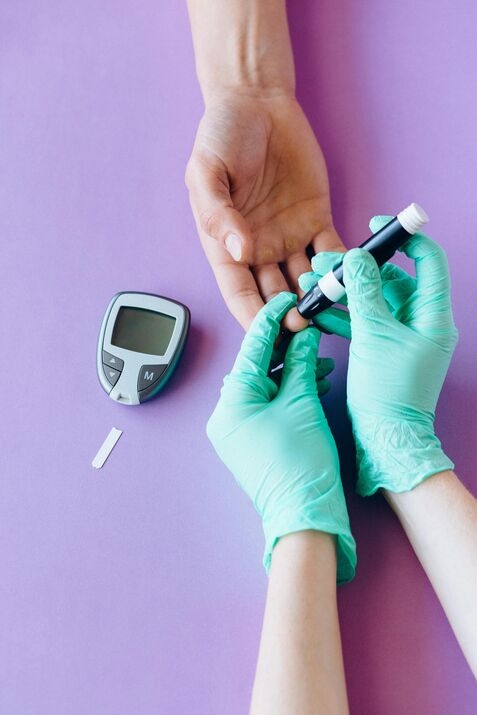
Managing Diabetes and Other Health Conditions While Fasting: A Guide for a Safe Ramadan.
Fasting during Ramadan is a deeply spiritual practice for Muslims worldwide. However, for individuals with health conditions like diabetes, hypertension, or heart disease, fasting can pose unique challenges. Managing these conditions while fasting requires careful planning, medical guidance, and healthy lifestyle choices. Here’s a comprehensive guide to safely observing Ramadan while managing diabetes and other health concerns.
1. Consult Your Doctor Before Fasting
Before deciding to fast, it is crucial to speak with your healthcare provider. A medical evaluation will help determine if fasting is safe for you. Some key considerations include:
- Risk Assessment: People with Type 1 diabetes, uncontrolled Type 2 diabetes, or those with severe health complications may be advised not to fast (American Diabetes Association, 2022).
- Medication Adjustments: Your doctor may modify your medication schedule to prevent low blood sugar (hypoglycemia) or high blood sugar (hyperglycemia) (Mayo Clinic, 2021).
- Monitoring Blood Sugar: Frequent monitoring is essential to ensure blood glucose levels remain stable throughout the fasting period (World Health Organization, 2022).
2. Smart Eating Strategies for Suhoor and Iftar
A well-balanced diet can help maintain energy levels and keep blood sugar stable.
Best Foods for Suhoor (Pre-Dawn Meal)
- Complex Carbohydrates: Whole grains, oats, and quinoa provide sustained energy release (Harvard T.H. Chan School of Public Health, 2021).
- Protein-Rich Foods: Eggs, Greek yogurt, and nuts help maintain muscle mass and satiety.
- Healthy Fats: Avocados, olive oil, and flaxseeds support heart health.
- Hydration: Drink plenty of water and avoid sugary drinks or caffeine to prevent dehydration (World Health Organization, 2022).
Best Foods for Iftar (Breaking the Fast)
- Dates and Water: Dates provide a quick energy boost, and water rehydrates the body (International Journal of Food Sciences and Nutrition, 2019).
- Lean Proteins: Chicken, fish, and legumes aid in muscle recovery.
- Non-Starchy Vegetables: Leafy greens, cucumbers, and bell peppers support digestion and provide essential nutrients.
- Healthy Carbohydrates: Brown rice, sweet potatoes, and whole wheat bread stabilize blood sugar levels.
3. Managing Blood Sugar Levels While Fasting
To prevent complications, individuals with diabetes should monitor their blood sugar regularly.
- Recognizing Warning Signs: Symptoms such as dizziness, extreme thirst, confusion, and excessive sweating may indicate dangerously high or low blood sugar (National Institutes of Health, 2021).
- Breaking the Fast When Necessary: If blood sugar drops below 70 mg/dL or rises above 300 mg/dL, breaking the fast is necessary to avoid serious complications (American Diabetes Association, 2022).
- Adjusting Physical Activity: Light exercise like walking is recommended, while strenuous workouts should be avoided during fasting hours.
4. Special Considerations for Other Health Conditions
- Hypertension (High Blood Pressure): Reduce salt intake and stay hydrated to maintain blood pressure levels (American Heart Association, 2022).
- Heart Disease: Consume heart-healthy fats and avoid fried foods to support cardiovascular health (Cleveland Clinic, 2021).
- Kidney Disease: Maintain proper hydration and consult a doctor regarding fasting suitability (National Kidney Foundation, 2022).
Conclusion
Fasting during Ramadan with a medical condition requires careful planning and medical guidance. By consulting with healthcare professionals, choosing nutritious foods, and monitoring health indicators, individuals with diabetes and other conditions can safely observe the fast. If any concerning symptoms arise, it is essential to prioritize health and seek medical attention.
NOTE: BUY AGELESS LIVING: UNLOCK THE SECRETS TO STAYING YOUNG AS YOU GROW VIS THIS LINK
https://tinyurl.com/yhu8s7xb ON AMAZON. WRITTEN BY BABAJIDE MORONFOLU
References
- American Diabetes Association (2022). "Diabetes and Fasting."
- Mayo Clinic (2021). "Managing Blood Sugar While Fasting."
- World Health Organization (2022). "Hydration and Nutrition During Fasting."
- Harvard T.H. Chan School of Public Health (2021). "Carbohydrates and Sustained Energy."
- International Journal of Food Sciences and Nutrition (2019). "Health Benefits of Dates."
- National Institutes of Health (2021). "Diabetes Symptoms and Warning Signs."
- American Heart Association (2022). "Managing Hypertension Through Diet."
- Cleveland Clinic (2021). "Heart-Healthy Eating During Ramadan."
- National Kidney Foundation (2022). "Fasting with Kidney Disease: What You Need to Know.’’
https://www.babacares.com/blog-details?details=341&title=Managing+Diabetes+and+Other+Health+Conditions+While+Fasting%3A+A+Guide+for+a+Safe+Ramadan.%C2%A0











Comments