

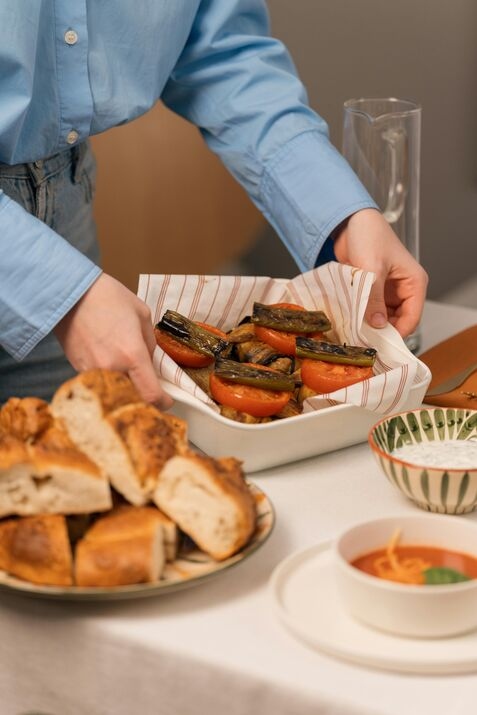
Best Suhoor and Iftar Foods for a Healthy Ramadan.
Ramadan is a time of spiritual reflection and fasting from dawn to sunset. To maintain energy levels and prevent dehydration, consuming nutrient-dense meals during Suhoor and Iftar is essential. Choosing the right foods can enhance overall well-being and help sustain you throughout the fasting hours. Here are the best food choices for Suhoor and Iftar to ensure a healthy Ramadan.
Suhoor: The Pre-Dawn Meal for Sustained Energy
Suhoor is the most important meal to prepare your body for the day ahead. It should be rich in complex carbohydrates, protein, and healthy fats for sustained energy.
Best Foods for Suhoor:
- Complex Carbohydrates: Whole grains like oats, whole wheat bread, brown rice, and quinoa release energy slowly, keeping you full longer (Harvard T.H. Chan School of Public Health, 2021).
- Protein-Rich Foods: Eggs, yogurt, cottage cheese, and lean meats help maintain muscle strength and prevent fatigue (National Institutes of Health, 2020).
- Healthy Fats: Nuts, seeds, avocados, and olive oil provide essential fatty acids that aid in energy retention (American Heart Association, 2022).
- Fiber-Rich Fruits and Vegetables: Bananas, apples, cucumbers, and leafy greens improve digestion and keep you hydrated (Mayo Clinic, 2021).
- Hydrating Drinks: Water, milk, and smoothies help prevent dehydration during the day (World Health Organization, 2022).
Foods to Avoid at Suhoor:
- Sugary Cereals and Pastries: These cause energy spikes followed by crashes (Centers for Disease Control and Prevention, 2021).
- Salty and Processed Foods: These increase thirst and may lead to dehydration (Cleveland Clinic, 2021).
- Caffeinated Drinks: Tea and coffee can lead to increased urine output, causing dehydration (Mayo Clinic, 2021).
Iftar: Replenishing Energy and Hydration
Iftar is the meal to break the fast, and it should focus on restoring hydration and replenishing nutrients.
Best Foods for Iftar:
- Dates and Water: Dates provide a quick energy boost, and water helps rehydrate the body (International Journal of Food Sciences and Nutrition, 2019).
- Soups and Hydrating Foods: Lentil soup, vegetable soup, and fresh salads help restore hydration and provide essential nutrients (Harvard Health Publishing, 2021).
- Lean Proteins: Chicken, fish, tofu, and legumes aid in muscle repair and recovery (National Institutes of Health, 2020).
- Complex Carbohydrates: Brown rice, whole wheat pasta, and sweet potatoes offer long-lasting energy (Academy of Nutrition and Dietetics, 2022).
- Healthy Fats: Nuts, seeds, and olive oil support overall health and satiety (American Heart Association, 2022).
Foods to Avoid at Iftar:
- Fried and Greasy Foods: These can cause bloating and indigestion (Cleveland Clinic, 2021).
- Sugary Drinks and Desserts: High sugar intake can lead to energy crashes and weight gain (Centers for Disease Control and Prevention, 2021).
- Excessive Spicy Foods: These may cause discomfort and dehydration (Mayo Clinic, 2021).
Conclusion
Eating a balanced and nutrient-rich Suhoor and Iftar can make fasting during Ramadan more manageable and beneficial for your health. Focus on whole foods, proper hydration, and mindful eating to maintain energy levels and stay nourished throughout the month. By making smart food choices, you can enjoy a healthier and more fulfilling Ramadan experience.
NOTE: Buy Ageless Living: Unlock the secrets to staying young as you grow on
https://tinyurl.com/yhu8s7xb AMAZON. Written by BABAJIDE MORONFOLU.
References
- Harvard T.H. Chan School of Public Health (2021). "Carbohydrates and Health."
- National Institutes of Health (2020). "Protein: Why It’s Important."
- American Heart Association (2022). "Healthy Fats."
- Mayo Clinic (2021). "Hydration and Nutrition."
- World Health Organization (2022). "Staying Hydrated."
- Centers for Disease Control and Prevention (2021). "Understanding Sugars and Nutrition."
- Cleveland Clinic (2021). "Managing Salt Intake."
- International Journal of Food Sciences and Nutrition (2019). "The Benefits of Dates in Fasting."
- Harvard Health Publishing (2021). "The Role of Soup in Hydration."
- 10.Academy of Nutrition and Dietetics (2022). "Complex Carbohydrates and Energy."
https://www.babacares.com/blog-details?details=340&title=Best+Suhoor+and+Iftar+Foods+for+a+Healthy+Ramadan.











Comments