

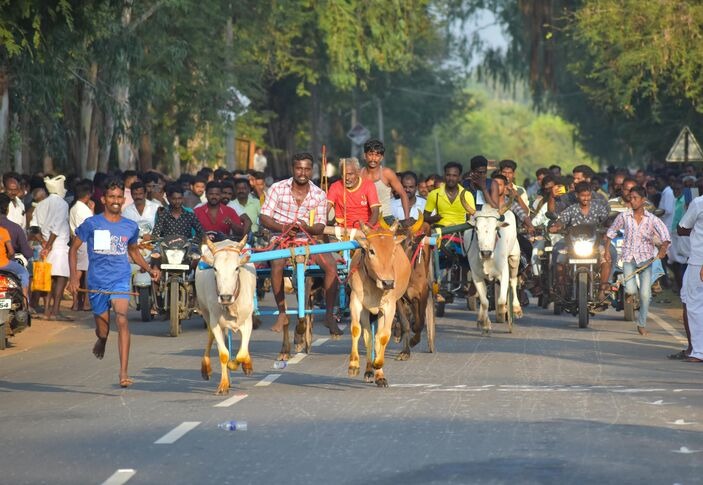
The Sacred Bond: Why Cows Hold a Special Place in Indian Culture.
India is a land of deep-rooted traditions, spirituality, and cultural diversity. Among its many revered symbols, the cow holds a uniquely sacred status. Unlike many parts of the world where cows are primarily seen as livestock, in India, they are revered as a symbol of life, nourishment, and divinity. This article explores the religious, cultural, and economic significance of cows in India and why they continue to be an integral part of Indian society.
1. Religious Significance of Cows in Hinduism
Hinduism, the predominant religion in India, considers cows sacred due to their association with various deities and their perceived divine qualities:
- Symbol of Ahimsa (Non-Violence): Mahatma Gandhi regarded cows as a symbol of non-violence, embodying compassion and peaceful existence.
- Association with Lord Krishna: Lord Krishna, one of the most revered Hindu deities, is often depicted as a cowherd, emphasizing the bond between humans and cows.
- Connected to Goddess Kamadhenu: Kamadhenu, the divine cow, is believed to grant wishes and provide sustenance to the people.
- Vedic Traditions: Ancient Hindu scriptures, including the Vedas, describe cows as sacred beings whose milk and derivatives (ghee, curd, butter) are used in religious rituals and offerings.
2. Cultural and Social Importance
Beyond religion, cows have been deeply ingrained in Indian culture for centuries:
- Symbol of Motherhood and Nourishment: Cows are often referred to as "Gau Mata" (Mother Cow) due to their ability to provide milk, a staple in Indian households.
- Traditional Agricultural Role: Before industrialization, cows were essential in farming, providing plowing power and natural fertilizers.
- Festivals and Rituals: Many Indian festivals, such as Govardhan Puja and Pongal, celebrate and honor cows for their contributions to human life.
3. Economic Importance of Cows in India
The economic role of cows in India extends far beyond dairy production:
- Dairy Industry: India is the world’s largest producer of milk, and cows are the backbone of the dairy sector.
- Organic Farming: Cow dung is used as a natural fertilizer and fuel, promoting sustainable farming practices.
- Ayurvedic Medicine: Cow urine and dung have been traditionally used in Ayurvedic medicine for their perceived healing properties.
4. Legal Protection and Controversies
Given their sacred status, cows are legally protected in many Indian states:
- Ban on Cow Slaughter: Several Indian states have strict laws against cow slaughter to preserve religious sentiments.
- Cow Vigilantism: In recent years, cow protection has become a sensitive issue, sometimes leading to social and political conflicts.
- Balancing Tradition and Modernization: While reverence for cows remains strong, urbanization and economic demands continue to challenge traditional views.
5. Modern Perspectives on Cows in India
Despite modernization, the status of cows in India continues to evolve:
- Dairy Cooperatives: Organizations like Amul have transformed India’s dairy industry while respecting traditional values.
- Animal Welfare Movements: Efforts to improve cow shelters (Gaushalas) and promote ethical treatment of cattle are gaining traction.
- Scientific Research: Studies on the benefits of cow-based products in nutrition and medicine further reinforce their cultural significance.
Conclusion
Cows remain an enduring symbol of reverence, sustenance, and tradition in India. Their significance extends beyond religion into culture, economy, and daily life. While modernization poses challenges, the respect and value accorded to cows continue to shape Indian society. Understanding this sacred bond offers deeper insights into India’s spiritual and cultural fabric.
References
- Sharma, R. (2019). Sacred Cows: Religion and Society in India. Oxford University Press.
- Patel, M. (2021). Dairy Farming and Economic Growth in India. Cambridge University Press.
- Singh, A. (2020). Hinduism and the Worship of Cows. Vedic Literature Journal, 28(4), 78-92.
- National Dairy Development Board of India. (2022). Milk Production and Economy.
- Mishra, P. (2018). Ayurveda and the Use of Cow Products in Traditional Medicine. Ayurvedic Health Journal, 15(2), 45-61.
https://www.babacares.com/blog-details?details=295&title=The+Sacred+Bond%3A+Why+Cows+Hold+a+Special+Place+in+Indian+Culture.








Comments