

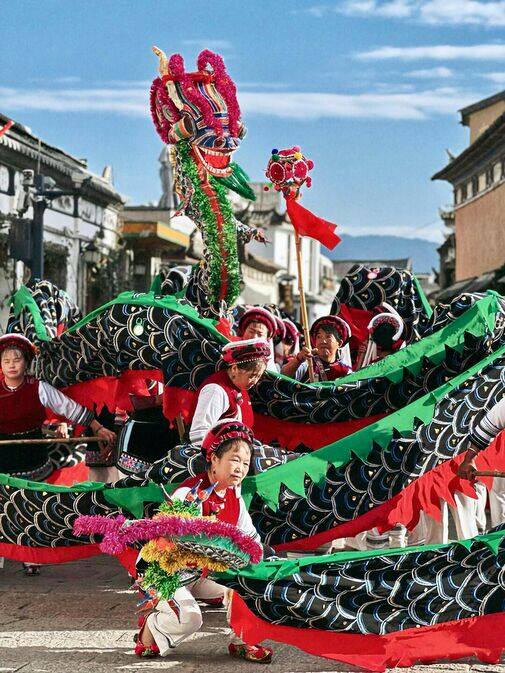
The Significance of the Snake in Chinese Culture and Well-Being.
The snake holds a special place in Chinese culture, symbolizing wisdom, mystery, transformation, and healing. As one of the twelve animals in the Chinese zodiac, the snake is associated with deep intuition, intelligence, and spiritual balance. Additionally, traditional Chinese medicine (TCM) has long recognized the healing properties of snake-related remedies. In this article, we explore the symbolic, historical, and health-related significance of the snake in Chinese culture and how it contributes to overall well-being.
1. The Symbolic Meaning of the Snake in Chinese Culture
The snake is considered a powerful and enigmatic creature in Chinese folklore and philosophy. Some of its key symbolic attributes include:
- Wisdom and Intelligence: The snake is often linked to deep thinking, strategic planning, and philosophical wisdom.
- Transformation and Renewal: Shedding its skin, the snake represents personal growth, renewal, and rebirth.
- Mysticism and Spirituality: In Daoist traditions, the snake is associated with spiritual enlightenment and hidden knowledge.
- Wealth and Prosperity: In feng shui, snake imagery is sometimes used to attract good fortune and financial success.
2. The Snake in the Chinese Zodiac
People born in the Year of the Snake (e.g., 1953, 1965, 1977, 1989, 2001, 2013, 2025) are believed to possess unique traits that influence their personalities and fortunes. Common characteristics include:
- Intelligent and Wise: Snakes are known for their analytical minds and problem-solving skills.
- Mysterious and Reserved: They tend to be introspective and value privacy.
- Charming and Persuasive: Many Snakes are charismatic and excel in communication.
- Determined and Ambitious: They are goal-oriented and strive for success.
3. The Snake’s Role in Traditional Chinese Medicine (TCM)
Snakes have been used in traditional Chinese medicine for centuries due to their perceived healing properties. Some of the most common applications include:
- Snake Venom Therapy: Used in small doses to treat pain, inflammation, and even certain neurological conditions.
- Snake Wine: A popular tonic believed to boost vitality and blood circulation.
- Snake Powder and Extracts: Utilized to relieve joint pain, arthritis, and skin ailments.
4. Feng Shui and the Snake’s Influence on Well-Being
In feng shui, the snake is often associated with positive energy when used correctly. Some feng shui practices involving the snake include:
- Symbolizing Protection: Snake symbols are used to ward off negative energies.
- Enhancing Wisdom: Placing snake imagery in study areas is believed to boost intelligence and concentration.
- Attracting Prosperity: Gold snake figurines are sometimes placed in homes to attract financial success.
5. The Snake’s Impact on Mental and Emotional Health
The snake's connection to well-being goes beyond physical health. In Chinese philosophy, the snake is often linked to:
- Inner Strength and Resilience: Encouraging people to adapt and overcome challenges.
- Emotional Balance: Helping individuals embrace transformation and personal growth.
- Mindfulness and Meditation: Many Daoist practices incorporate snake imagery for spiritual grounding.
Conclusion
The snake plays a vital role in Chinese culture, symbolizing wisdom, transformation, and healing. Whether through astrology, traditional medicine, feng shui, or spiritual beliefs, the snake continues to influence well-being and personal development. By understanding its significance, individuals can incorporate the snake’s symbolic power into their lives for a more balanced and prosperous existence.
References
- Lau, D. (2010). Chinese Animal Zodiac: Mythology and Symbolism. Oxford University Press.
- Zhang, W. (2017). Traditional Chinese Medicine and Animal-Based Remedies. Beijing Medical Press.
- Feng, S. (2020). Feng Shui: Harnessing Energy for Health and Prosperity. Shanghai University Press.
- National Center for Complementary and Integrative Health. (2022). The Use of Animal Products in Traditional Medicine.
- Li, X. (2018). Daoist Practices and Symbolism in Chinese Culture. Hong Kong University Press.
https://www.babacares.com/blog-details?details=285&title=The+Significance+of+the+Snake+in+Chinese+Culture+and+Well-Being.










Comments