

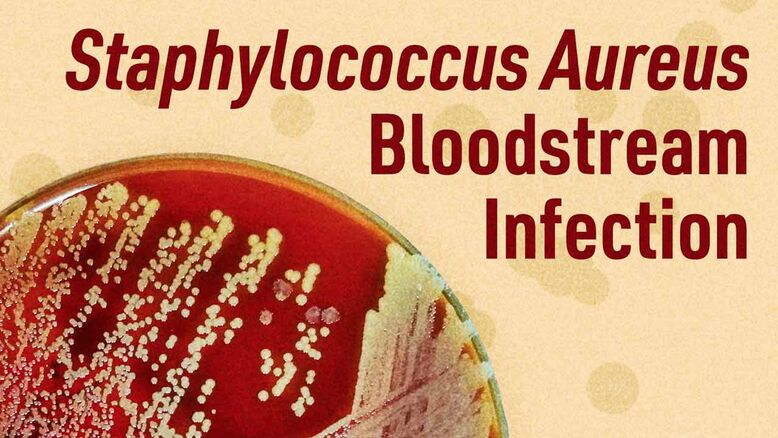
Staphylococcus Aureus: A Serious Skin Infection Many Are Struggling With.
Staphylococcus aureus, often referred to simply as "staph," is a bacterial infection that many people suffer from, and it can be incredibly frustrating to treat. This infection is not sexually transmitted but rather a skin infection that can cause a variety of issues, from minor pimples to severe infections that can spread throughout the body. While staph infections are common, their treatment is often challenging, leading to the abuse of antibiotics by many people seeking relief. In this article, we’ll explore what staphylococcus aureus is, how it affects the body, and the struggles many face in treating it.
What Is Staphylococcus Aureus?
Staphylococcus (staph) refers to a group of bacteria, more than 30 types of which exist. Of these, Staphylococcus aureus is the most problematic and is responsible for a wide range of infections. These bacteria are commonly found on the skin and in the noses of healthy individuals, often without causing harm. However, if the skin is broken or the immune system is weakened, staphylococcus aureus can cause an infection.
How Does Staphylococcus Aureus Infect the Body?
Staph infections occur when the bacteria enter the body through cuts, abrasions, or other skin injuries. The infection can present in a variety of forms, including:
- Skin Infections: These are the most common, including boils, abscesses, and impetigo. These infections often cause redness, swelling, pain, and pus-filled sores.
- Sepsis: If the bacteria spread into the bloodstream, it can lead to a life-threatening condition called sepsis.
- Pneumonia: Staphylococcus aureus can also cause lung infections, especially in individuals with weakened immune systems or those who have had previous lung diseases.
- Osteomyelitis: This is an infection of the bone that can occur when the bacteria spread from the skin or bloodstream.
Challenges in Treating Staphylococcus Aureus
One of the biggest issues with staphylococcus aureus is its ability to become resistant to antibiotics. While many staph infections can be treated with common antibiotics, some strains, particularly methicillin-resistant Staphylococcus aureus (MRSA), are resistant to the most commonly used antibiotics. This makes the infection harder to treat, often requiring stronger or more specialized medications.
Unfortunately, many individuals attempt to treat staph infections on their own, sometimes using antibiotics incorrectly or overusing them. This misuse can lead to antibiotic resistance, making the infection even more difficult to treat in the future. Antibiotic abuse is a common issue, particularly when people fail to complete their prescribed course or use leftover medication.
Symptoms of Staphylococcus Aureus Infection
The symptoms of a staph infection can vary depending on the area of the body affected, but some of the most common symptoms include:
- Redness or warmth around a wound or infected area
- Pain or tenderness at the site of infection
- Swelling
- Pus or other discharge from an infected wound
- Fever or chills if the infection has spread
- Boils or abscesses on the skin
If left untreated, a staph infection can lead to more severe complications, including the spread of bacteria to other organs or systems in the body.
How to Prevent and Treat Staphylococcus Aureus
Preventing staphylococcus aureus infections largely involves good hygiene practices, including:
- Regular Handwashing: Wash hands frequently, especially after touching potentially contaminated surfaces or people who have an active infection.
- Wound Care: Clean and bandage any cuts, scrapes, or sores promptly to prevent bacteria from entering the body.
- Avoid Sharing Personal Items: Do not share towels, razors, or other personal items, as these can transfer bacteria.
- Proper Antibiotic Use: Always follow a healthcare provider's instructions when taking antibiotics. Do not stop taking the medication prematurely, even if you feel better.
For treatment, early diagnosis and appropriate antibiotic therapy are key. Doctors may also drain any abscesses or boils to help the body heal faster. In some cases, surgery may be necessary if the infection spreads to deeper tissues or organs.
Conclusion
Staphylococcus aureus is a tough skin infection that many people struggle to treat. While it is not sexually transmitted, it can cause a range of issues, from mild to severe infections. The challenge lies in its resistance to antibiotics, especially in the case of MRSA. To avoid complications, it's crucial to practice good hygiene, use antibiotics correctly, and seek professional medical treatment if an infection arises. With proper care, most people can recover from a staph infection, but it requires vigilance and appropriate treatment to prevent it from becoming a serious health threat.
References:
- Mayo Clinic – Staphylococcus Aureus: Causes, Symptoms, and Treatment Options
- Centers for Disease Control and Prevention (CDC) – Staphylococcus aureus Infections
- National Institutes of Health (NIH) – Antibiotic Resistance and Staphylococcus aureus
https://www.babacares.com/blog-details?details=240&title=Staphylococcus+Aureus%3A+A+Serious+Skin+Infection+Many+Are+Struggling+With.











Comments