

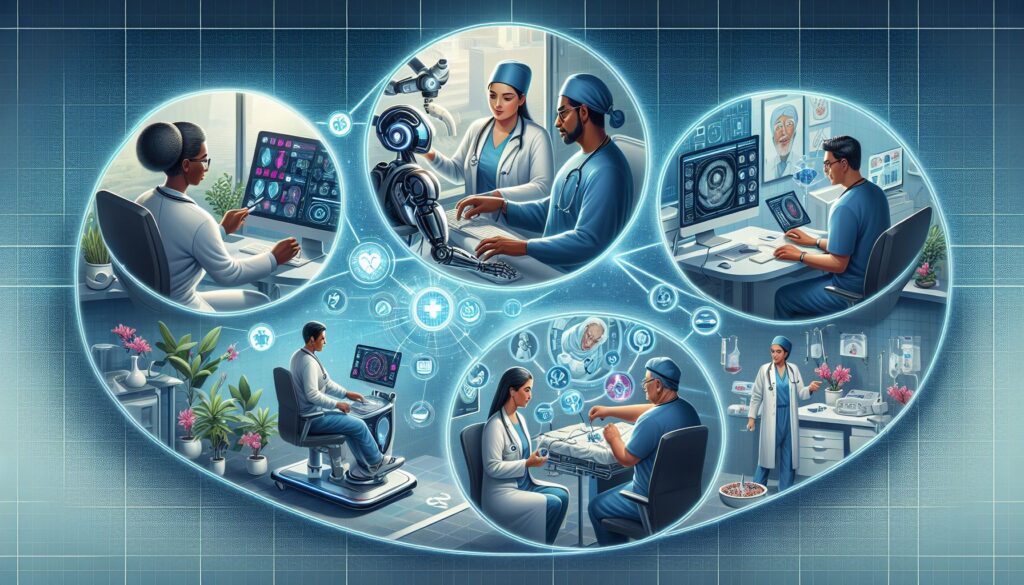
Artificial Intelligence (AI) has revolutionized healthcare, particularly in diagnostics, by improving speed, precision, and accessibility. With its capacity to analyze vast datasets and identify patterns, AI is reshaping how diseases are detected, monitored, and treated globally.
Key Contributions of AI in Diagnostics
- Early Detection of Diseases
AI systems excel at identifying subtle signs of diseases, such as cancer, in medical imaging. For example, machine learning algorithms can analyze radiology scans to detect abnormalities that might be missed by the human eye, facilitating early interventions and improving survival rates. - Personalized Medicine
By integrating data from genetics, lifestyle, and medical history, AI tailors diagnostic and treatment plans to individual patients. This approach is pivotal in managing chronic illnesses and optimizing therapeutic outcomes. - Remote Diagnostics and Telemedicine
AI-powered virtual assistants and diagnostic tools are transforming telemedicine. Patients in underserved areas can now access expert opinions and diagnostic services remotely, reducing disparities in healthcare access. - Efficiency in Medical Workflows
AI aids healthcare professionals by automating repetitive tasks, such as data entry and administrative operations, allowing clinicians to focus on patient care. Moreover, AI-driven tools can triage cases, ensuring timely attention to critical conditions. - Improved Accuracy
Advanced AI models, such as deep learning networks, have demonstrated accuracy levels comparable to or even surpassing human experts in diagnosing conditions like diabetic retinopathy, lung cancer, and heart disease.
Challenges and Considerations
Despite its benefits, integrating AI into healthcare diagnostics poses challenges:
- Data Privacy and Security: Protecting sensitive medical data is a critical concern.
- Algorithm Bias: Ensuring fairness in AI systems requires diverse and representative training datasets.
- Ethical and Regulatory Issues: Establishing guidelines for the responsible use of AI in medicine is essential to avoid misuse and ensure equitable outcomes.
The Road Ahead
AI’s role in diagnostics continues to expand, with ongoing research into applications like predictive analytics, drug discovery, and wearable health technologies. Collaborative efforts between technologists, policymakers, and healthcare professionals will be crucial in maximizing AI’s potential while addressing its limitations.
For more insights into the transformative power of AI in healthcare, you can explore comprehensive studies and industry reports.
https://www.babacares.com/blog-details?details=226&title=AI+in+Healthcare%3A+Transforming+Diagnostics+in+the+21st+Century.








Comments