

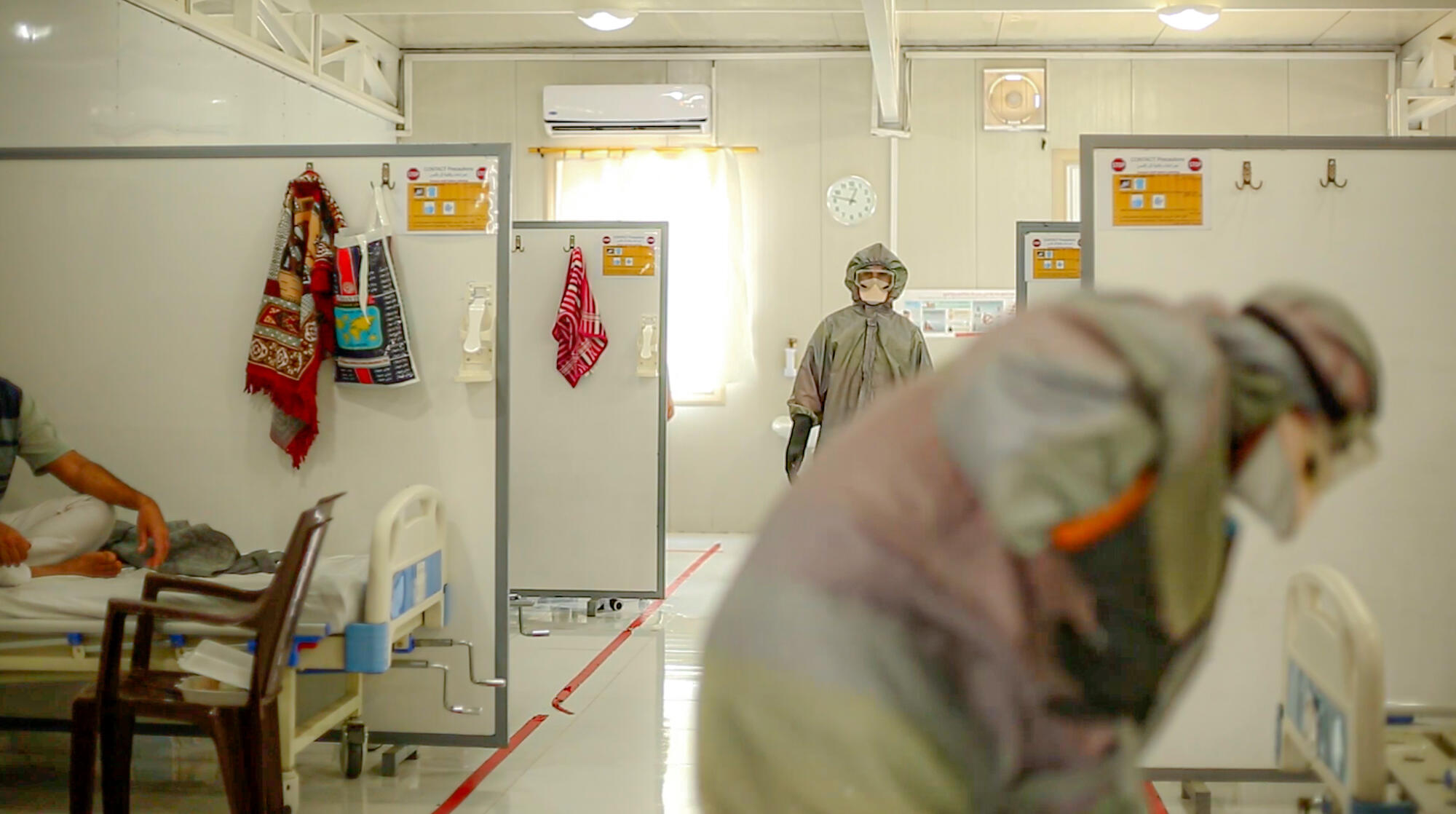
The COVID-19 pandemic and other recent outbreaks, such as mpox and Ebola, have highlighted critical gaps and offered valuable lessons for enhancing global readiness for future pandemics. Here's a comprehensive look at the key takeaways:
1. The Value of Surveillance Systems
One of the most important lessons from COVID-19 is the necessity of robust and interconnected global surveillance systems. Advances in genomic sequencing allowed scientists to track SARS-CoV-2 variants, but early challenges in data-sharing and slow response times underscored the need for pre-established, globally accessible monitoring frameworks. These systems should integrate environmental and clinical data to proactively identify new threats before they escalate into pandemics.
2. Equity in Response
Pandemics disproportionately affect low- and middle-income countries due to inequities in healthcare infrastructure and resource allocation. The global vaccine disparity during COVID-19 demonstrated the urgent need for equitable distribution mechanisms, as delays in vaccine access increased vulnerabilities worldwide. Addressing these gaps is crucial to preventing widespread damage in future crises.
3. The "One Health" Approach
Outbreaks are increasingly linked to human-animal-environment interactions. Industrial farming, wildlife trade, and climate change are driving zoonotic diseases, making the "One Health" approach—which integrates human, animal, and environmental health—a critical strategy for pandemic prevention. Strengthened disease surveillance at the animal-human interface is essential.
4. Trust and Transparency
Mistrust in governments and institutions fueled resistance to public health measures during COVID-19. Transparent communication and community engagement are pivotal for encouraging compliance and fostering international collaboration. The adoption of amendments to the International Health Regulations in 2024 exemplifies steps toward rebuilding trust on a global scale.
5. Investing in Preparedness Infrastructure
Investments in healthcare systems, stockpiles of medical supplies, and training for healthcare workers are fundamental to pandemic preparedness. COVID-19 revealed the fragility of overburdened systems, particularly in densely populated areas. Preparedness strategies must include scalable resources to handle surges in demand.
6. Importance of Global Agreements
The ongoing development of a global pandemic treaty under the World Health Organization seeks to establish binding commitments for resource sharing, equitable access, and rapid response measures. This initiative aims to avoid the reactive, fragmented responses observed during recent pandemics.
Conclusion
While significant strides have been made in understanding and preparing for pandemics, systemic issues such as inequity, mistrust, and insufficient global coordination remain barriers. By integrating lessons learned from past outbreaks and adopting innovative, collaborative strategies, the global community can enhance resilience and mitigate the impact of future pandemics.
For a deeper dive into these insights, visit Impakter and Harvard Medical School.
https://www.babacares.com/blog-details?details=225&title=Pandemic+Preparedness%3A+Lessons+Learned+from+Recent+Outbreaks.











Comments