

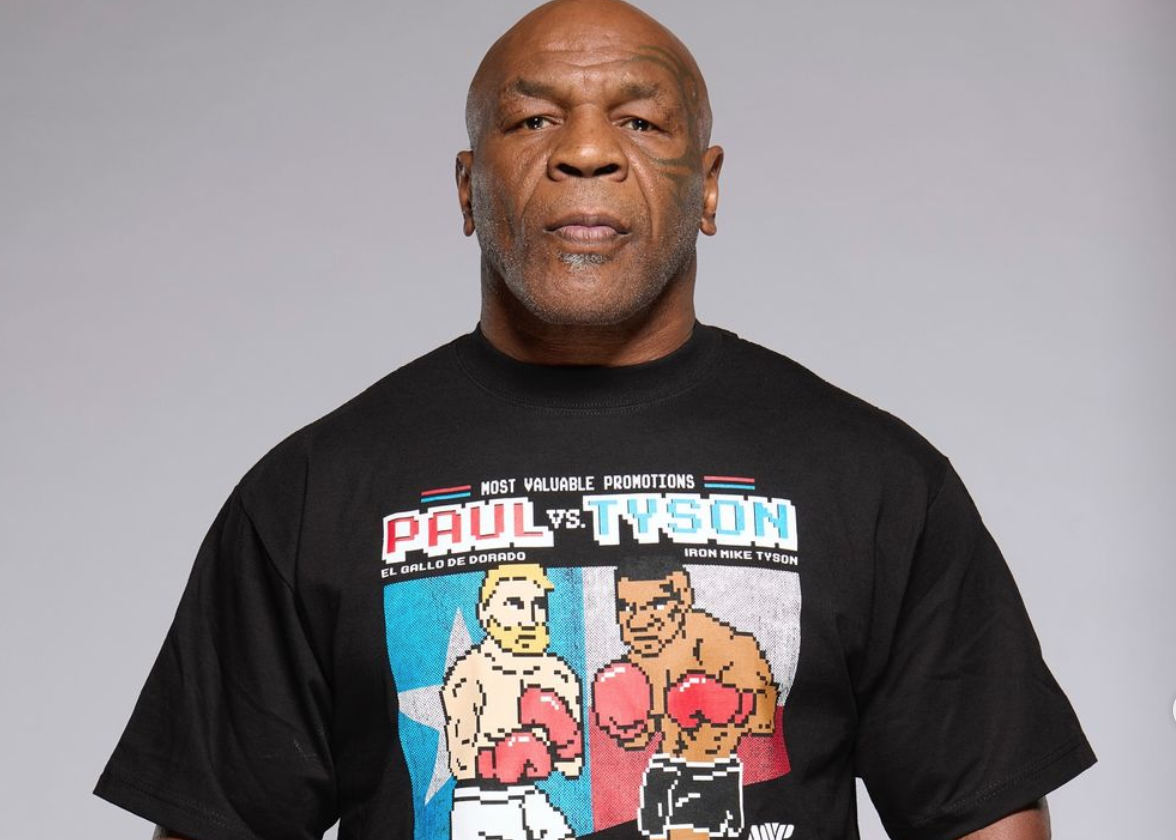
Mike Tyson, known as "Iron Mike," is one of the most iconic figures in boxing history. His life is a tale of triumph, controversy, and redemption, marked by unparalleled success in the ring and significant challenges outside it.
Early Life
Michael Gerard Tyson was born on June 30, 1966, in Brooklyn, New York. He grew up in Brownsville, a neighborhood notorious for its high crime rate. Tyson faced a troubled childhood; his father abandoned the family, and his mother, Lorna Mae Tyson, struggled to make ends meet. Tyson found himself frequently in trouble with the law, being arrested multiple times before age 13.
He was sent to a juvenile detention center, where his boxing talent was first noticed. Legendary trainer Cus D’Amato took Tyson under his wing, becoming a father figure and mentor. D’Amato instilled discipline and developed Tyson’s powerful, aggressive fighting style, which would later dominate the heavyweight division
- Bodybuilding - We Know Training
oxing Career Highlights**
- Professional Debut and Rise to Fame (1985-1986):
-
- Tyson made his professional debut at 18, winning by first-round knockout. His explosive power and intimidating presence quickly garnered attention.
- In 1986, at just 20 years old, Tyson became the youngest heavyweight champion in history by defeating Trevor Berbick for the WBC title.
- Undisputed Champion (1987-1990):
-
- Tyson unified the WBA, WBC, and IBF titles, becoming the undisputed heavyweight champion.
- His reign was marked by quick knockouts and a fearsome reputation, earning him the nickname "The Baddest Man on the Planet."
- Downfall and Controversy:
-
- In 1990, Tyson suffered a shocking loss to Buster Douglas in Tokyo, ending his unbeaten streak.
- Personal issues, including a tumultuous marriage and legal troubles, culminated in a conviction for rape in 1992. Tyson was sentenced to six years in prison but served three before his release【34†source - Bodybuilding - We Know Training
Later Career:* - Tyson returned to boxing in 1995 and reclaimed the WBC and WBA titles but lost to Evander Holyfield in 1996. Their rematch in 1997, infamous for Tyson biting Holyfield's ear, further tarnished his reputation.
- He continued fighting until 2005, retiring with a professional record of 50 wins (44 by knockout), 6 losses, and 2 no contests.
Post-Boxing Life
After retiring, Tyson faced financial struggles and personal demons, including substance abuse. However, he later reinvented himself:
- Tyson starred in films like The Hangover series, showcasing a lighter, comedic side.
- In 2020, he returned for an exhibition match against Roy Jones Jr., demonstrating his enduring appeal.
Legacy
Mike Tyson remains a symbol of raw power and resilience. Despite his controversial past, his influence on boxing is undeniable, and his life story inspires as a tale of redemption.
At 58, Mike Tyson continues to defy aging, maintaining a rigorous diet and fitness routine that reflects the discipline and power that defined his legendary boxing career. While he's no longer following the intense 16-hour workouts of his prime, Tyson's current lifestyle is carefully designed to support his fitness and occasional boxing endeavors.
Mike Tyson’s Current Diet
Tyson’s diet at 58 strikes a balance between plant-based and animal-based nutrition:
- Plant-Based Roots: Following his retirement, Tyson adopted a vegan diet that helped him manage arthritis, lower blood pressure, and lose weight. This plant-centric approach included fruits, vegetables, and plant proteins.
- Reintroducing Meat: Recently, Tyson has incorporated meat back into his diet, particularly on training days. Protein sources like chicken and steak are staples to support muscle recovery and energy needs during workouts MyKhel
Men's Health
.
Key Meals
- Breakfast: A high-energy meal like oatmeal with fruits or protein shakes.
- Lunch: Chicken or steak with a side of rice and vegetables, complemented by fruit juices.
- Dinner: Similar to lunch, with an emphasis on lean protein and whole grains MyKhel
Men's Health
.
Training and Fitness
While his workouts are no longer as intense as in his peak years, Tyson remains committed to fitness:
- Cardio and Boxing: Daily cardio, such as running or cycling, combined with boxing routines to maintain agility and power.
- Strength Training: Exercises like push-ups, dips, and bodyweight squats to build strength and endurance.
- Mind and Body Balance: Meditation and mindfulness are now integral to his routine, reflecting his holistic approach to health MyKhel
Men's Health
.
Tyson's Legacy of Strength
Tyson’s dedication to his health showcases not only his physical resilience but also his ability to adapt to life after professional boxing. Known for his explosive power and discipline, Tyson remains an icon of strength and transformation, inspiring fans to prioritize fitness and a balanced lifestyle.
For more details about Mike Tyson’s regimen, you can explore sources like
ps://
om/more-sports/how-mike-tyson-s-diet-and-training-forged-a-heavyweight-legend-320460.html) and MyKhel.
https://www.babacares.com/blog-details?details=186&title=Mike+Tysons+Daily+Diet+and+Fitness+Regimen+at+58%3A+How+He+Maintains+Strength+and+Stamina.






Comments