


Top Chronic Diseases That Increase With Age
Aging is a natural part of life, but growing older also brings changes in the body that can increase the risk of chronic disease. Metabolism slows, muscle mass declines, bones weaken, and the body becomes more vulnerable to long-term health conditions.
Chronic diseases are medical conditions that usually develop gradually and last for months or years. Unlike short-term illnesses, they often require ongoing management, lifestyle adjustments, and regular medical care.
The important thing to know is this: aging itself does not cause disease, but age increases risk.
The good news is that many chronic conditions can be prevented, delayed, or managed effectively through healthy lifestyle choices and early detection.
Here are some of the most common chronic diseases that increase with age.
1. High Blood Pressure
One of the most common chronic conditions in older adults is Hypertension.
Blood pressure tends to rise with age as arteries become less flexible.
High blood pressure increases risk of:
- heart attack
- stroke
- kidney damage
- vision problems
It is often called the silent killer because many people have no symptoms.
Regular monitoring is essential.
2. Heart Disease
Cardiovascular Disease remains one of the leading causes of death worldwide.
Common risk factors include:
- high blood pressure
- high cholesterol
- smoking
- obesity
- diabetes
- inactivity
Warning signs may include:
- chest pain
- shortness of breath
- fatigue
- dizziness
Heart health becomes increasingly important with age.
3. Type 2 Diabetes
Type 2 Diabetes becomes more common as people age.
The body may become less effective at using insulin, causing high blood sugar.
Risk factors include:
- excess weight
- poor diet
- inactivity
- family history
Uncontrolled diabetes can damage:
- nerves
- kidneys
- eyes
- blood vessels
Early management matters.
4. Osteoarthritis
Years of wear and tear affect joints.
Osteoarthritis commonly affects:
- knees
- hips
- spine
- hands
Symptoms include:
- pain
- stiffness
- reduced mobility
- swelling
Staying active helps maintain joint function.
Relevant entity: Walking
5. Osteoporosis
Bone density often decreases with age.
Osteoporosis causes bones to become fragile and easier to break.
This condition is especially common in women after Menopause.
Common fracture areas:
- hips
- wrists
- spine
Bone protection is critical.
6. Chronic Kidney Disease
Kidney function may decline with age.
Chronic Kidney Disease affects the kidneys’ ability to filter waste and excess fluid.
Major causes include:
- diabetes
- high blood pressure
Early disease may have no symptoms.
Routine testing helps detection.
7. Dementia
Brain health becomes increasingly important with age.
Dementia affects:
- memory
- reasoning
- judgment
- daily functioning
One common cause is Alzheimer's Disease.
Not all memory changes are dementia, but cognitive decline should be monitored.
8. Chronic Respiratory Disease
Lung conditions may worsen with age.
Examples include:
- asthma
- chronic bronchitis
- emphysema
Chronic Obstructive Pulmonary Disease can cause:
- chronic cough
- wheezing
- breathlessness
Smoking greatly increases risk.
9. Depression
Mental health conditions also become important with aging.
Depression in older adults may appear as:
- sadness
- fatigue
- irritability
- withdrawal
- poor sleep
Depression is not a normal part of aging.
It is treatable.
10. Cancer
Cancer risk generally rises with age because cells accumulate damage over time.
Common cancers in older adults include:
- breast cancer
- prostate cancer
- colorectal cancer
- lung cancer
Relevant entity: Prostate Cancer
Screening improves early detection.
Why Chronic Disease Risk Increases With Age
Several factors contribute:
- natural wear and tear
- inflammation
- reduced physical activity
- hormonal changes
- weakened immune function
- accumulated lifestyle effects
The older we get, the more preventive care matters.
How to Reduce Chronic Disease Risk
Healthy habits can make a major difference.
Stay Active
Exercise regularly.
Eat Better
Choose whole, nutrient-rich foods.
Sleep Well
Protect recovery.
Avoid Smoking
Smoking increases disease risk.
Get Regular Checkups
Early detection saves lives.
Manage Stress
Emotional health affects physical health.
Final Thoughts
Chronic diseases become more common with age, but aging does not automatically mean illness.
Many chronic conditions develop slowly and silently, which makes awareness and prevention extremely important.
Take your health seriously.
Monitor your body. Keep healthy habits. Get screened regularly.
The goal of healthy aging is not just living longer—it is living stronger, healthier, and more independently for as long as possible.
Want to Learn More?
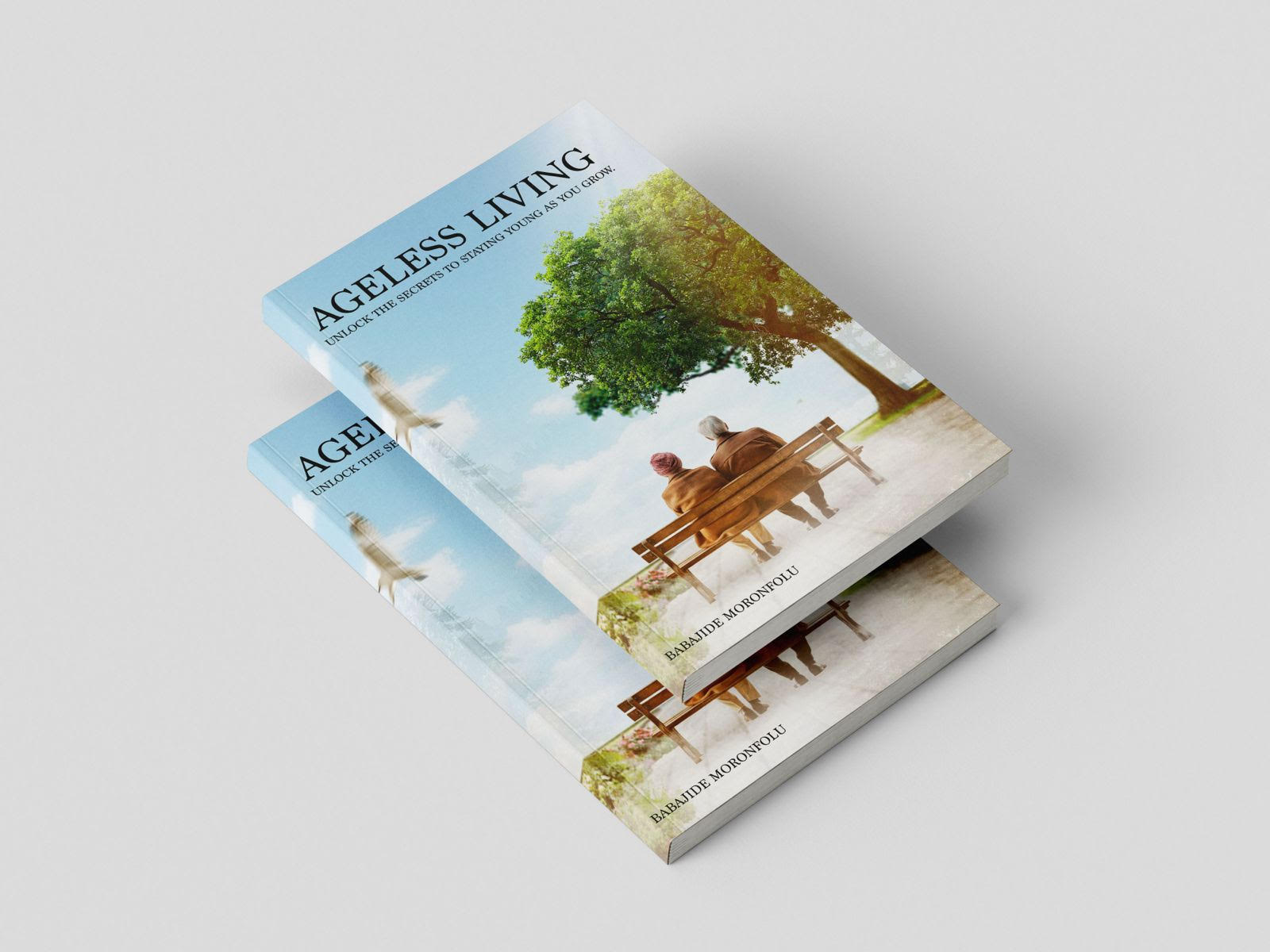
For more healthy-aging and wellness insights, search “Babajide Moronfolu” on Amazon and explore:
- Ageless Living: Unlock the Secrets to Staying Young as You Grow
- Do Not Grow Old Prematurely: Timeless Principles for Body, Mind, and Lifelong Vitality
References
https://www.babacares.com/blog-details?details=1143&title=Top+Chronic+Diseases+That+Increase+With+Age








Comments