

Nigeria Healthcare Reforms 2026: Prof. Pate Calls for Better Hospitals, Medical Training and Regional Cooperation
For millions of Nigerians, accessing quality healthcare remains a difficult and sometimes expensive experience. Could stronger regional cooperation and reforms finally make a difference?
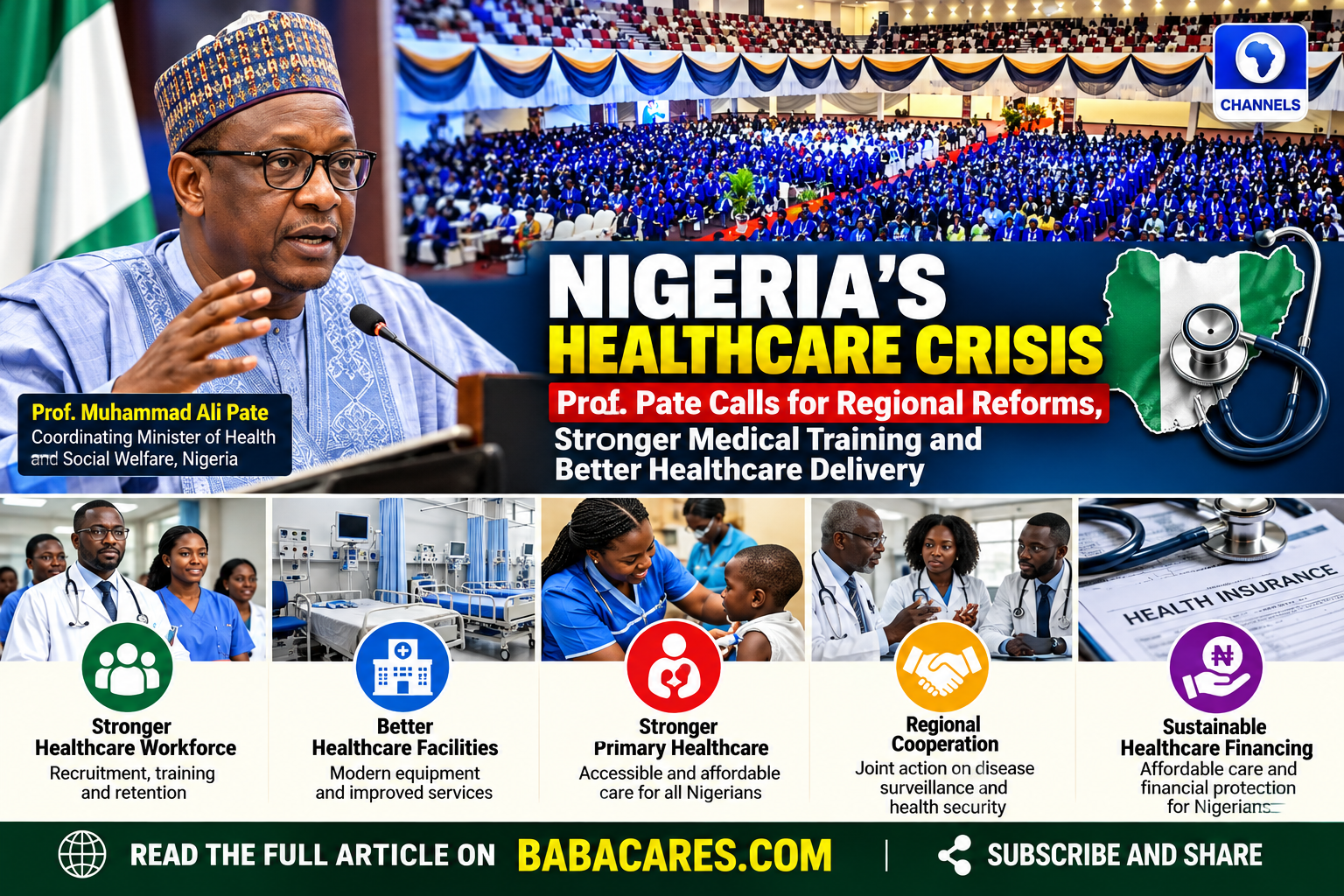
Nigeria's Coordinating Minister of Health and Social Welfare, Professor Muhammad Ali Pate, has renewed calls for stronger healthcare systems, improved medical training and greater collaboration among West African countries.
Speaking at the 50th anniversary and Annual General Scientific Meeting of the West African College of Physicians in Abuja on October 26, 2026, Pate highlighted the Federal Government's commitment to improving healthcare delivery and addressing persistent challenges affecting the sector.
The event, reported by Channels Television, brought together medical professionals and other stakeholders to discuss the future of healthcare in Nigeria and across West Africa.
Why Regional Healthcare Reforms Matter
Health challenges do not respect national boundaries.
Infectious diseases, shortages of medical professionals, inadequate healthcare infrastructure and limited access to specialist treatment affect several countries across West Africa.
Professor Pate emphasized the importance of stronger disease surveillance, emergency preparedness and cross-border cooperation, particularly in responding to infectious disease threats such as Ebola.
Regional collaboration could help countries share medical expertise, strengthen laboratory systems and coordinate responses to public-health emergencies.
However, cooperation must also translate into improved healthcare services for ordinary citizens.
Nigeria's Healthcare Workforce Challenge
One of Nigeria's most persistent healthcare problems is the migration of trained medical professionals to countries offering better working conditions and career opportunities.
The continued departure of doctors, nurses and other healthcare professionals has placed additional pressure on hospitals and remaining workers.
At the Abuja gathering, the Federal Government reported that more than 30,000 healthcare professionals had been recruited into federal health facilities over approximately two and a half years.
The government also highlighted ongoing investments in specialist medical training, healthcare infrastructure and expanded medical education.
While these initiatives are important, recruitment figures alone cannot establish whether healthcare services have improved.
The real test is whether hospitals have enough qualified professionals, essential equipment, medicines and resources to meet patients' needs.
Strengthening Primary Healthcare
For many Nigerians, particularly those in rural communities, primary healthcare centres are the first point of contact with the health system.
Unfortunately, some communities continue to experience difficulties accessing essential services.
Strengthening primary healthcare could improve access to:
-
Maternal and child healthcare.
-
Immunization and preventive services.
-
Malaria and other infectious disease treatment.
-
Early diagnosis of hypertension and diabetes.
-
Routine medical consultations and referrals.
-
Health education and community-based services.
Effective primary healthcare can also reduce avoidable pressure on major hospitals by ensuring that common conditions are identified and managed early.
Beyond Hospitals: The Importance of Community Healthcare Workers
Healthcare reform should not focus exclusively on doctors and specialist hospitals.
Community health extension workers, nurses, caregivers, public-health professionals and other frontline personnel play important roles in prevention, treatment support and continuity of care.
They help patients manage chronic conditions, support older adults, provide health education and connect vulnerable populations with essential services.
Nigeria could benefit from stronger training, professional development and appropriate support for these healthcare workers.
An effective healthcare system must connect hospitals, primary healthcare centres and community services.
Healthcare Financing: Who Will Pay?
Another major concern is affordability.
Many Nigerians still face substantial out-of-pocket expenses when seeking medical treatment.
Without adequate financial protection, serious illness can place families under considerable financial strain.
The government's healthcare reform agenda includes expanding health insurance coverage and strengthening financing for primary healthcare.
However, these reforms must ensure that vulnerable and low-income Nigerians are not excluded.
Affordable healthcare should mean more than enrolling people in insurance schemes. It must include timely access to quality services, essential medicines and effective treatment.
The Public-Health Challenge
Nigeria must also prepare for emerging health threats, including infectious disease outbreaks and climate-related health risks.
Professor Pate stressed the need for stronger surveillance, laboratory capacity and regional coordination.
These measures are important because delays in detecting outbreaks can allow infections to spread and overwhelm healthcare facilities.
Early detection, reliable public communication, trained health workers and effective emergency responses remain essential components of public-health preparedness.
Babacares Perspective: Nigerians Need Results, Not Just Promises
Professor Pate's renewed emphasis on healthcare reform provides an opportunity to examine what meaningful progress should look like.
For the average Nigerian, healthcare reform becomes meaningful when a pregnant woman can access skilled maternity care, a sick child receives prompt treatment, an older adult can obtain essential medicines and a rural community has a functioning health centre.
Government announcements, recruitment figures and investment commitments are important, but they must be accompanied by measurable improvements in patient outcomes.
Nigeria needs transparent monitoring, stronger accountability, improved healthcare worker welfare and sustained investment in facilities across urban and rural communities.
The success of healthcare reform should ultimately be measured by the number of lives protected, illnesses prevented and patients who can access quality treatment without financial hardship.
Regional cooperation offers opportunities, but Nigerians must also experience meaningful improvements within their own communities.
The question remains: When will healthcare reform become a reality in the everyday lives of ordinary Nigerians?
READ MORE ON BABACARES.COM, SUBSCRIBE AND SHARE.
References
-
Channels Television — Healthcare Delivery: Professor Pate Advocates Regional Health Reforms. Broadcast headline supplied by Babacares.
-
Punch Newspapers, October 26, 2026 — Tinubu Vows to Stem Doctors' Japa, Urges Return of Nigerian Medics.
https://punchng.com/tinubu-vows-to-stem-doctors-japa-urges-return-of-nigerian-medics/ -
Daily Dispatch, October 26, 2026 — FG to Strengthen Specialist Medical Training for Effective Healthcare Delivery.
-
Federal Ministry of Health and Social Welfare, Nigeria — Healthcare Reform Initiatives.
https://health.gov.ng/ -
World Health Organization — Universal Health Coverage.
https://www.who.int/health-topics/universal-health-coverage








Comments