


Super-Agers: Why Some People Thrive After 80.
Why do some people remain mentally sharp, physically active, socially engaged, and emotionally resilient well into their 80s and beyond, while others experience significant decline much earlier?
Scientists have a name for these remarkable individuals: Super-Agers.
Super-Agers challenge the common assumption that growing older automatically means becoming frail, forgetful, or dependent. They show us that aging does not always equal decline.
At Babacares, where healthy aging and longevity are central to our mission, understanding Super-Agers offers powerful lessons for anyone hoping to age well.
Who Are Super-Agers?
Super-Agers are older adults—typically aged 80 or above—whose memory, cognitive performance, and overall functioning resemble that of people decades younger.
Researchers at Northwestern University Feinberg School of Medicine helped popularize the term while studying older adults with exceptional brain performance.
What makes Super-Agers unique is not just lifespan—but healthspan, the ability to maintain quality of life while aging.
Many Super-Agers demonstrate:
- Strong memory
- Clear thinking
- Emotional resilience
- Social engagement
- Physical mobility
- Independence in daily activities
Some continue to:
- Work
- Volunteer
- Exercise regularly
- Lead organizations
- Mentor younger generations
What Makes Super-Agers Different?
Scientists are still studying the exact reasons, but several factors consistently appear.
1. They Stay Mentally Active
The brain thrives on stimulation.
Super-Agers often challenge their minds through:
- Reading
- Writing
- Teaching
- Learning new skills
- Problem-solving
- Meaningful conversation
Mental engagement helps strengthen neural connections.
This may improve cognitive reserve, the brain’s ability to resist age-related decline.
2. They Keep Moving
Physical activity strongly supports healthy aging.
Regular movement improves:
- Blood circulation
- Muscle strength
- Balance
- Heart health
- Brain function
Activities common among Super-Agers include:
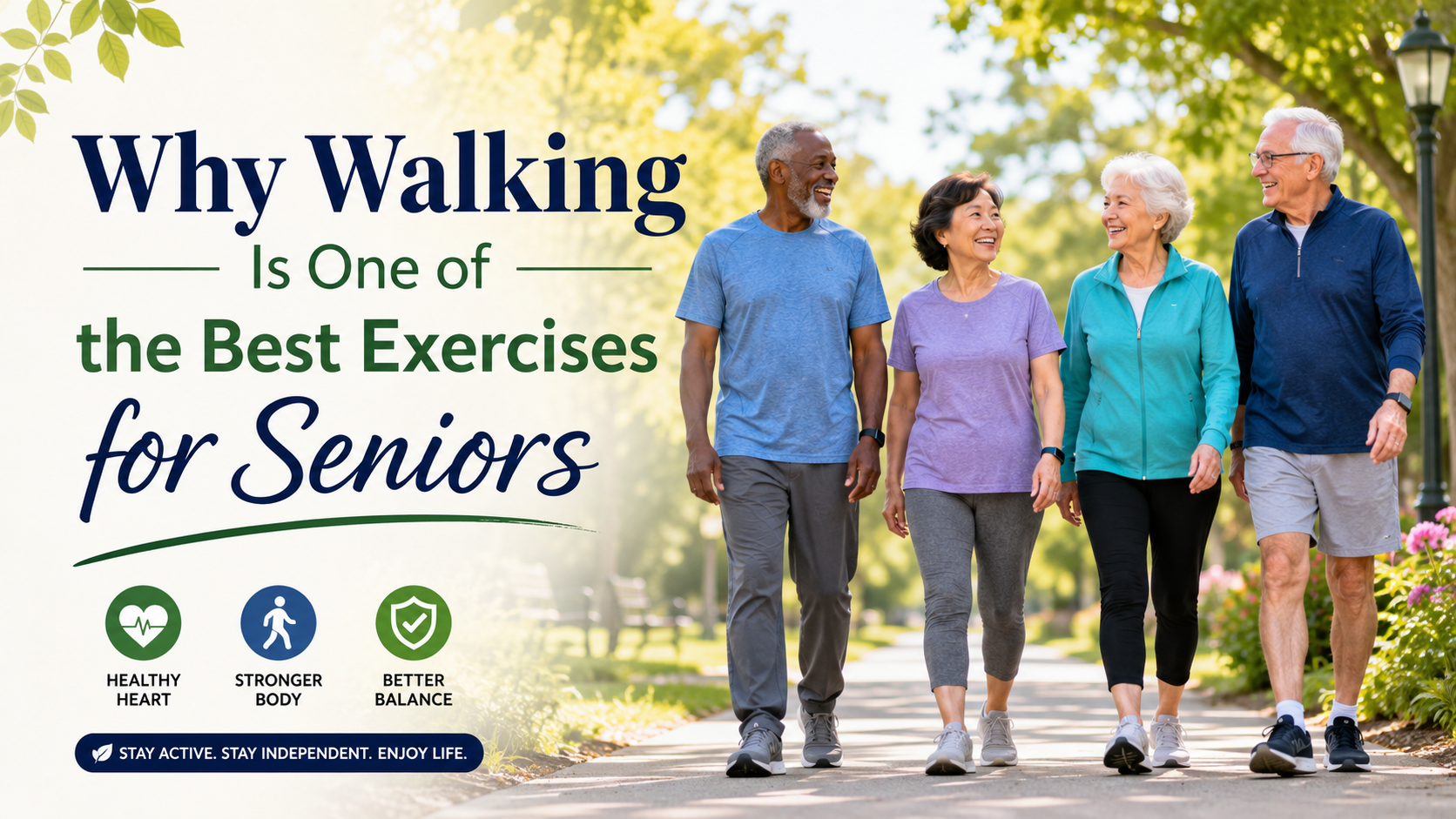
- Walking
- Gardening
- Stretching
- Strength training
- Dancing
Exercise is one of the strongest protectors against age-related decline.
3. They Maintain Strong Relationships
Loneliness can accelerate physical and mental decline.
Super-Agers often maintain close ties with:
- Family
- Friends
- Faith communities
- Social groups
Strong social connection reduces stress and improves emotional wellbeing.
Research consistently links social isolation to:
- Depression
- Cognitive decline
- Higher mortality risk
4. They Live With Purpose
Purpose gives life direction.
Many Super-Agers wake up each day with a reason to contribute.
Purpose may come from:
- Family responsibilities
- Community service
- Faith
- Mentorship
- Creative work
A strong sense of purpose has been associated with lower mortality and better mental health.
5. They Manage Stress Better
Chronic stress harms the body and brain.
It contributes to:
- High blood pressure
- Inflammation
- Poor sleep
- Memory problems
Super-Agers often develop healthy coping strategies such as:
- Prayer
- Meditation
- Deep breathing
- Gratitude
- Acceptance
Emotional regulation matters greatly in aging well.
6. They Protect Their Brain Health
Brain health is closely tied to overall health.
Super-Agers often manage major risk factors including:
- Hypertension
- Diabetes
- Obesity
- Smoking
- Poor sleep
Protecting the heart also protects the brain.
This supports the idea that:
What is good for the heart is often good for the brain.
Is It Genetics or Lifestyle?
The answer is:
Both matter.
Genetics influence aging, but genes do not determine everything.
Lifestyle choices strongly affect how we age.
Research suggests environment and habits play a major role in whether someone becomes a Super-Ager.
That means many aspects of healthy aging are modifiable.
Can Anyone Become a Super-Ager?
There are no guarantees.
However, you can significantly improve your chances by adopting healthy habits early—and maintaining them consistently.
Start by:
- Moving daily
- Eating nutritious foods
- Sleeping well
- Staying socially connected
- Challenging your brain
- Managing chronic illness
- Reducing stress
- Living with purpose
It is never too early—or too late—to improve healthspan.
Final Thoughts
Super-Agers remind us that growing older does not have to mean surrendering vitality, independence, or joy.
Aging is inevitable.
Decline is not always inevitable.
At Babacares, we believe successful aging is not merely about adding years to life—it is about adding life to years.
The goal is not simply to live longer.
The goal is to live better, stronger, and more meaningfully for as long as possible.
That is the true lesson of Super-Agers.
References
Northwestern University Feinberg School of Medicine
National Institute on Aging
World Health Organization (WHO)
Harvard Health Publishing
https://www.babacares.com/blog-details?details=1078&title=Super-Agers%3A+Why+Some+People+Thrive+After+80.










Comments