

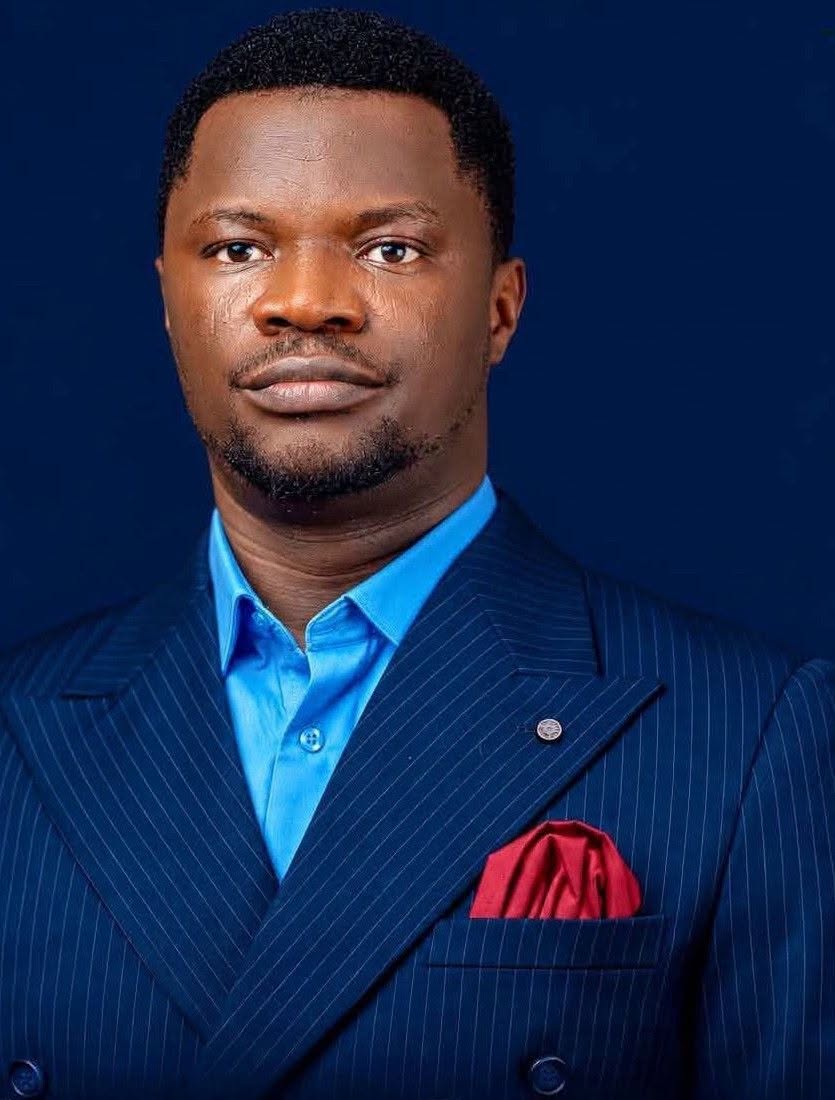
ToluwaniSings Tragic Death: Medical Negligence, Doctors Strikes and the Nigerian Law That Protects Emergency Patients
Was a young gospel musician denied a chance to receive life-saving treatment? His sudden death raises urgent questions about the responsibilities of Nigerian hospitals during medical strikes.
By Babajide Moronfolu | Babacares Health & Society | October 15, 2026
How many hospitals must a dying patient visit before receiving emergency treatment?
One? Two? Or eight?
This is the heartbreaking question surrounding the death of Nigerian gospel musician Olayemi Bayonile Bolaji, popularly known as ToluwaniSings, who reportedly died in Ibadan on Wednesday, October 14, 2026, at just 41 years old.
A husband, father and talented gospel singer whose music brought inspiration to many, ToluwaniSings has left behind a grieving family and troubling questions about Nigeria's healthcare system.
According to reports attributed to his personal assistant, the singer suddenly collapsed and was reportedly taken to seven or eight hospitals in Ibadan in search of medical attention.
Some hospitals allegedly cited the ongoing doctors' strike, while others reportedly declined to admit him.
These allegations have not been independently established through a formal investigation. However, they raise an important question:
Can a Nigerian hospital lawfully refuse emergency treatment simply because doctors are on strike?
What Nigerian law says about emergency treatment
Many Nigerians may not realise that the country already has legislation protecting patients who need emergency medical assistance.
Section 20(1) of the National Health Act 2014 states:
"A health care provider, health worker or health establishment shall not refuse a person emergency medical treatment for any reason."
Section 20(2) provides penalties for violations, including:
-
A fine of ₦100,000.
-
Imprisonment for up to six months.
-
Or both, upon conviction.
The provision applies to healthcare establishments, including public and private hospitals.
Although hospitals may have genuine limitations involving equipment, staffing or specialist services, these challenges raise important questions about their responsibilities to assess, stabilise and appropriately refer emergency patients.
An industrial dispute should never become an excuse for abandoning the responsibility to protect human life.
Doctors' strikes and patients' lives
At the time of ToluwaniSings' death, resident doctors at the University College Hospital (UCH), Ibadan, were observing a three-day warning strike that began on October 12, 2026.
The strike was reportedly connected to persistent electricity and water-supply problems affecting the hospital's College of Medicine axis.
The doctors suspended the industrial action on October 15, a day after the singer's death.
However, it has not been established that UCH specifically refused him treatment or that the strike caused his death.
Doctors certainly deserve safe working conditions, adequate equipment and fair treatment.
But patients also deserve reliable access to emergency healthcare.
A person suffering a cardiac emergency, severe injury or other life-threatening condition cannot wait for labour negotiations to end.
Nigeria must therefore establish and enforce practical arrangements to keep essential emergency services operating during healthcare strikes.
Could this amount to medical negligence?
Medical negligence generally arises when a healthcare professional or institution fails to exercise the required standard of care and that failure causes harm.
If a hospital unreasonably refuses emergency treatment or fails to provide appropriate care within its capabilities, the circumstances may warrant investigation.
However, not every medical complication, hospital refusal or patient death automatically constitutes negligence.
In the case of ToluwaniSings, there is currently insufficient publicly established medical evidence to conclude that any hospital's actions caused his death.
A proper investigation should determine which hospitals he visited, what medical assistance was provided or refused, whether appropriate referrals were made and what caused his sudden collapse.
The family deserves answers, not speculation.
Dare Babarinsa's reflection: A lesson from 1986
Veteran journalist Dare Babarinsa, in his tribute ToluwaniSings: From Here to Eternity, recalled a doctors' strike at UCH in 1986.
According to Babarinsa, the late Professor Kayode Osuntokun, a distinguished Nigerian neurologist, opposed doctors withdrawing their services on ethical grounds, invoking the Hippocratic Oath.
His recollection raises a question that remains relevant today:
Should emergency medical services ever be completely unavailable because doctors are on strike?
The rights of healthcare workers must be respected, but the safety of critically ill patients must also remain a priority.
Nigeria needs more than sympathy
As a healthcare worker and health advocate, I find the allegations surrounding ToluwaniSings' final hours deeply concerning.
I understand the challenges healthcare professionals face, particularly when hospitals lack equipment, electricity, water and adequate staffing.
But I also believe that every patient deserves a fair opportunity to receive timely emergency care.
The Federal Ministry of Health and Social Welfare, medical professional bodies and hospital authorities should ensure that:
-
Essential emergency services have workable staffing arrangements during industrial action.
-
Public and private hospitals maintain clear emergency assessment and referral procedures.
-
Allegations of unlawful refusal of treatment are independently investigated.
-
Healthcare workers receive the infrastructure and protection necessary to perform their duties.
The National Health Act should not exist merely on paper. Its protections must be reflected in everyday hospital practice.
Final thoughts: A hospital should offer hope, not another closed door
ToluwaniSings spent his life inspiring people through gospel music. His sudden passing is a painful loss to his family, friends and admirers.
We cannot say with certainty that earlier treatment would have saved him. But the allegations about his struggle to access medical attention deserve serious investigation.
No Nigerian should be left moving desperately from hospital to hospital during a life-threatening emergency without appropriate assistance.
Doctors deserve dignity and fair working conditions. Patients deserve protection and compassionate care. Government must create an environment where both are possible.
Perhaps the most meaningful tribute to ToluwaniSings would be a healthcare system that ensures emergency patients are not left without help, even during industrial disputes.
Because when a life is at stake, every minute matters.
May his soul rest in peace, and may God comfort his family.
Babacares.com — Promoting Health Awareness, Patient Safety and Informed Living.
Legal and editorial disclaimer
This article is intended for public education and healthcare awareness, not medical or legal advice. Reports concerning ToluwaniSings' hospital visits remain allegations pending independent verification. His cause of death has not been publicly established. No hospital or medical professional has been found responsible for his death in this article. Any determination of negligence requires appropriate evidence, investigation and due process.










Comments