

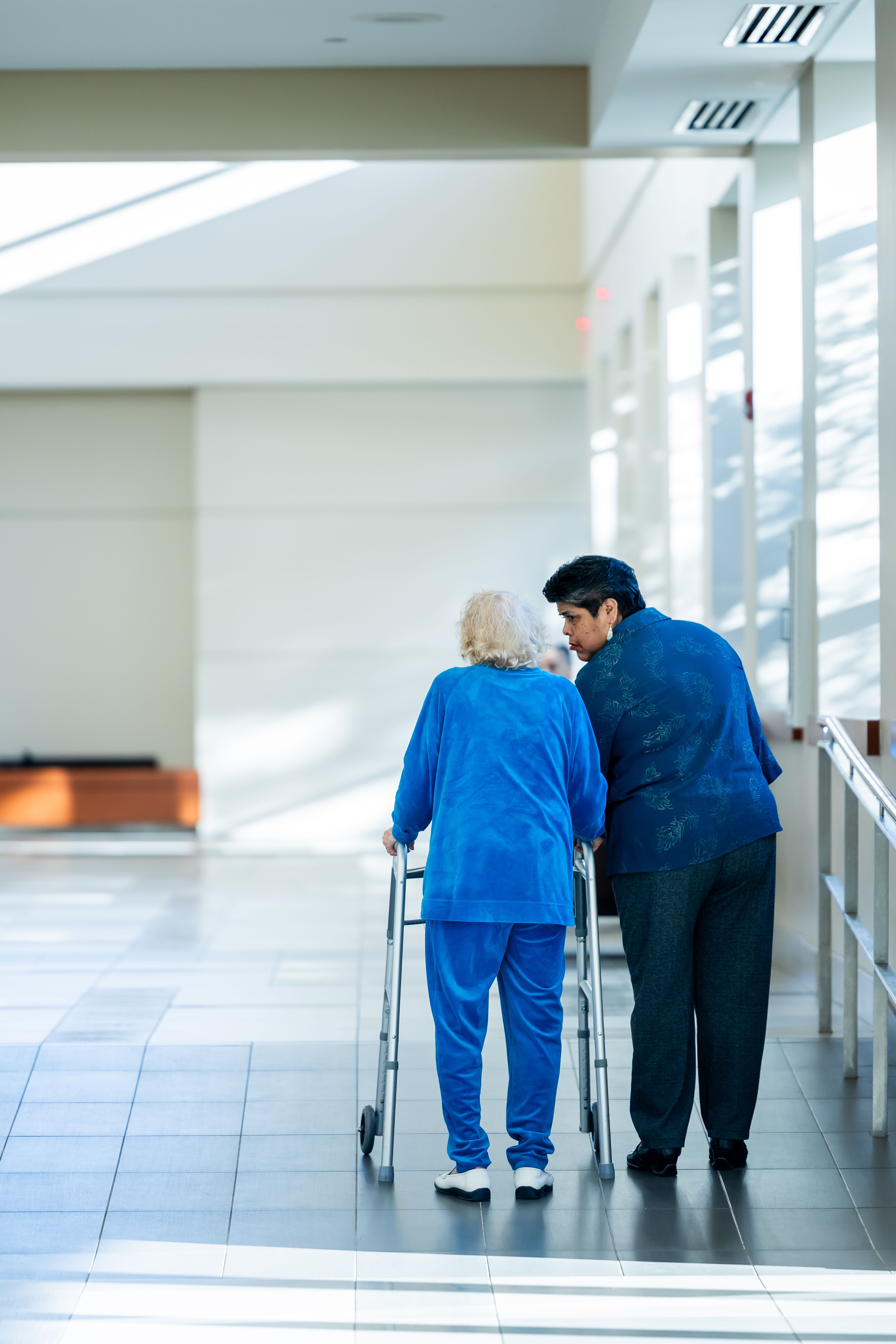
How to Prevent Falls in Older Adults: Lessons From My Experience as a Caregiver
Falls are one of the most serious health risks facing older adults. Many people see falls as ordinary accidents, but for seniors, a single fall can change a life within seconds.
A simple slip in the bathroom, a missed step on the staircase, getting up too quickly from a chair, or tripping over an object on the floor can lead to fractures, hospitalization, loss of mobility, reduced independence, and sometimes long-term disability.
As a caregiver and support worker, I have personally witnessed clients experience falls, and I must confess that it is never pleasant. Seeing an older adult who was previously moving around independently suddenly become frightened, injured, or dependent on others after a fall is something that stays with you.
These experiences have taught me an important lesson: we should never take fall prevention lightly.
Older adults need to be careful and watchful, while caregivers, family members, and support workers also have an important role to play in creating a safer environment.
The encouraging news is that many falls can be prevented.
With proper precautions, regular physical activity, medication reviews, good nutrition, suitable footwear, and a safer home environment, seniors can greatly reduce their risk of falling and maintain their independence for much longer.
Fall prevention should therefore be considered an essential part of healthy aging.
Why Falls Are So Dangerous for Seniors
As we age, natural changes in the body can make it more difficult to maintain balance and recover quickly after stumbling.
These changes may include:
-
Reduced muscle strength
-
Poor balance
-
Slower reflexes
-
Weaker bones
-
Reduced vision
-
Hearing difficulties
-
Medication side effects
-
Dizziness or low blood pressure
A fall that may cause only a bruise in a younger person can result in a serious injury in an older adult.
Common fall-related injuries include hip fractures, wrist fractures, head injuries, sprains, cuts and bruises.
Older adults with weakened bones or osteoporosis may be particularly vulnerable to fractures.
But physical injury is not the only concern.
After experiencing a fall, some seniors develop a strong fear of falling again. Because of that fear, they may stop walking as much, avoid exercise or become afraid of leaving their homes.
Unfortunately, reduced movement weakens the muscles further and can increase the risk of another fall.
This is why prevention is so important.
1. Stay Physically Active
From my experience working with older adults, movement is extremely important.
One of the best ways to reduce fall risk is to keep the body active and the muscles strong.
Exercise can improve:
-
Muscle strength
-
Flexibility
-
Coordination
-
Balance
-
Endurance
-
Reaction time
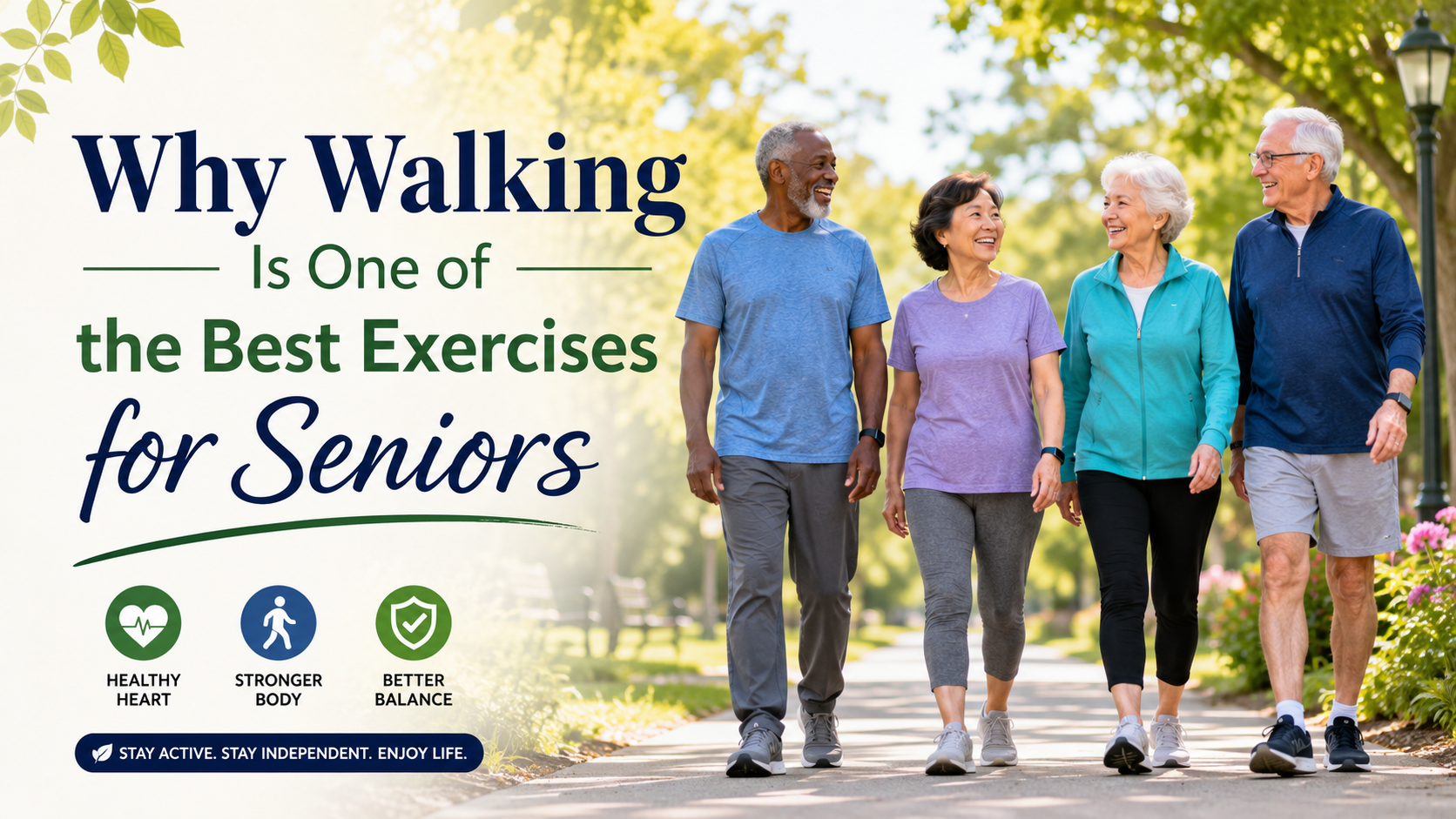
Suitable activities may include walking, strength exercises, balance training, Tai Chi, gentle yoga and exercises recommended by a physiotherapist.
Exercise does not have to be complicated.
Even regular walking around the home, standing up from a chair safely several times, or taking supervised walks can help maintain strength.
Older adults with medical conditions or mobility problems should speak with their healthcare provider or physiotherapist before beginning a new exercise program.
2. Improve Balance and Leg Strength
Strong legs are important for stability.
Many of the older adults we support spend long periods sitting. Over time, this can weaken the thighs, hips and calves.
Simple exercises may include:
-
Sit-to-stand exercises
-
Heel raises
-
Side leg raises
-
Chair exercises
-
Balance exercises with appropriate support
Strengthening the lower body can make everyday activities such as standing, walking and using stairs safer.
3. Remove Hazards From the Home
Many falls happen inside the home.
As caregivers, one of the simplest but most important things we can do is look around the environment and ask:
“Is there anything here that could cause this person to trip or slip?”
Common hazards include:
-
Loose rugs
-
Electrical cords
-
Cluttered walkways
-
Wet or slippery floors
-
Poor lighting
-
Furniture blocking pathways
-
Objects left on stairs
Keep frequently used pathways clear and make sure seniors can move safely between the bedroom, bathroom, kitchen and living areas.
Small changes can prevent major injuries.
4. Make the Bathroom Safer
Bathrooms deserve special attention because water, smooth floors and limited space can make falls more likely.
Safety equipment may include:
-
Grab bars
-
Non-slip bath mats
-
Shower chairs
-
Raised toilet seats
-
Hand-held shower heads
-
Proper lighting
Older adults who are unsteady should not be ashamed to ask for assistance when bathing or using the toilet.
As caregivers, we should also avoid rushing our clients. Giving someone enough time to move safely can make an enormous difference.
5. Wear Proper Footwear
Footwear is another area people sometimes underestimate.
Older adults should avoid walking around in loose slippers, badly worn shoes, high heels or socks on slippery floors.
Choose shoes that provide:
-
Good grip
-
Firm soles
-
Proper fitting
-
Good support
-
Secure fastening
Shoes that fit properly can improve stability and reduce slipping.
6. Check Vision and Hearing Regularly
Good vision is essential for safe movement.
Poor eyesight may make it difficult to see stairs, obstacles, changes in floor level or objects lying in the pathway.
Hearing problems may also affect a person's awareness of their surroundings.
Regular eye and hearing examinations can help identify problems early.
Lighting inside the home should also be bright enough, particularly in hallways, staircases, bathrooms and bedrooms.
7. Review Medications
Some medications may increase the risk of falling because they can cause:
-
Dizziness
-
Drowsiness
-
Confusion
-
Weakness
-
Low blood pressure
Certain sleeping medications, pain medications, anxiety medications and some medications used to control blood pressure may contribute to these symptoms.
Older adults should not stop medications on their own. Instead, they should ask their doctor or pharmacist to review their medications, particularly if they have recently experienced dizziness, weakness, a fall or a near-fall.
8. Stay Hydrated and Eat Well
Dehydration and poor nutrition can make older adults weak, tired, dizzy or confused.
During my work as a caregiver, I have also seen how some seniors may not drink enough water unless they are regularly reminded or encouraged.
Adequate hydration is important.
Older adults should drink fluids regularly unless they have been advised by a healthcare professional to restrict fluids because of a medical condition.
A balanced diet should also contain adequate protein, fruits, vegetables, calcium and vitamin D to support muscle and bone health.
9. Rise Slowly From Bed or Chairs
Some older adults feel dizzy when they stand up suddenly.
This may happen because blood pressure drops when changing position.
A safer approach is to:
-
Sit upright for a moment.
-
Move the legs gently.
-
Place both feet firmly on the floor.
-
Stand up slowly.
-
Pause before beginning to walk.
Caregivers should allow seniors enough time to adjust before moving.
Rushing an older adult who is already unsteady can increase the risk of falling.
10. Use Walking Aids When Needed
There should be absolutely no embarrassment about using a cane, walker or rollator when necessary.
In fact, using an appropriate mobility device can help a senior remain independent.
The important thing is making sure the equipment is properly fitted and used correctly.
A healthcare professional or physiotherapist can help determine the most appropriate walking aid.
Independence does not mean refusing assistance.
Sometimes independence means using the right support so that you can continue doing things safely.
Warning Signs That Should Not Be Ignored
Family members and caregivers should pay attention when an older adult begins to show signs such as:
-
Frequent stumbling
-
Difficulty standing
-
Holding onto furniture while walking
-
Slower walking
-
Dizziness
-
Weakness
-
Recent falls
-
Repeated near-falls
-
Fear of walking alone
-
Sudden changes in balance
These signs may indicate that the person requires further medical assessment, medication review, physiotherapy, mobility support or changes to the home environment.
A Word to Caregivers and Support Workers
As caregivers, our responsibility is not simply to respond after a fall has occurred.
Prevention should always come first.
Observe your clients closely.
Keep their surroundings safe.
Do not leave mobility aids too far away.
Clean spills quickly.
Encourage appropriate footwear.
Make sure frequently used items are within easy reach.
Remind clients to stand slowly.
And most importantly, do not rush someone whose mobility is already limited.
Sometimes what appears to be a small safety precaution can prevent a major medical emergency.
Final Thoughts
Falls are not something older adults should simply accept as an unavoidable part of aging.
Many falls can be prevented through regular exercise, safer homes, medication reviews, proper nutrition, hydration, vision checks, suitable footwear and appropriate mobility support.
From my years of caregiving experience, I have learned that preventing a fall is far better than dealing with its consequences.
A fall can affect much more than the body. It can affect confidence, independence, mobility and quality of life.
That is why seniors, family members and caregivers must work together to create a safer environment.
Healthy aging means staying active—but it also means staying safe.
Take fall prevention seriously today, because sometimes one simple precaution can prevent a life-changing injury tomorrow.
Babacares – Caring for your health, wellness and healthy aging.
https://www.babacares.com/blog-details?details=1036&title=How+to+Prevent+Falls+in+Older+Adults%3A+Lessons+From+My+Experience+as+a+Caregiver








Comments