

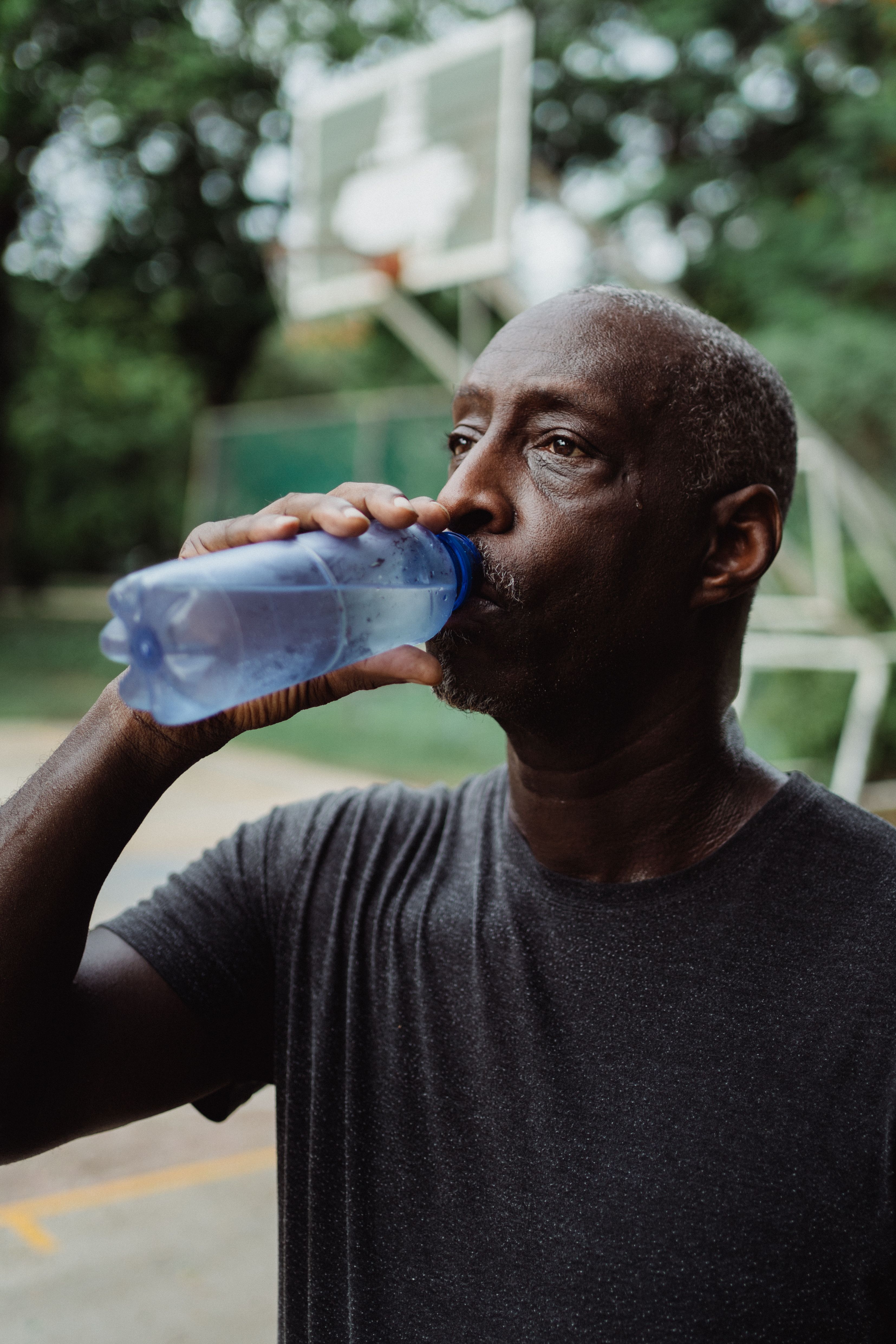
Why Seniors Need More Water Than They Think.
Water is one of the most essential nutrients for life, yet it is often overlooked—especially among older adults. Many seniors focus on medications, doctor visits, and diet but pay less attention to hydration. Unfortunately, dehydration is a common and serious health concern in older adults.
As people age, the body’s ability to maintain proper fluid balance changes. Seniors often become dehydrated without realizing it because the warning signs may be subtle, and the natural sensation of thirst becomes weaker over time.
This is why many older adults need more intentional hydration than they think.
Drinking enough water is not just about quenching thirst—it is vital for maintaining energy, protecting organs, supporting brain function, and preserving overall health.
Why Seniors Are More Vulnerable to Dehydration
Several age-related changes make dehydration more likely in older adults.
1. Reduced Thirst Sensation
One of the biggest reasons seniors become dehydrated is that they often do not feel thirsty even when their bodies need water.
The body’s thirst signals become less sensitive with age.
This means an older adult may already be mildly dehydrated before feeling thirsty.
Thirst should not be the only signal to drink water.
2. Lower Total Body Water
As we age, body composition changes.
Older adults naturally have:
- less muscle mass
- more body fat
- lower total body water
Because the body stores less water, dehydration can happen more quickly.
Relevant concept: Dehydration
3. Certain Medications Increase Fluid Loss
Many seniors take medications that affect hydration.
Examples include:
- diuretics (water pills)
- laxatives
- some blood pressure medicines
- certain diabetes medications
These medications may increase urination or fluid loss.
Relevant entities: Hypertension, Type 2 Diabetes
4. Health Conditions Can Affect Hydration
Some medical conditions increase dehydration risk.
These include:
- kidney disease
- diabetes
- fever
- diarrhea
- vomiting
- infections
Even mild illness can quickly affect fluid balance in older adults.
Why Water Matters So Much for Seniors
Water supports nearly every major function in the body.
Water Helps Maintain Brain Function
Even mild dehydration can affect the brain.
It may cause:
- confusion
- poor concentration
- dizziness
- irritability
- headaches
In seniors, dehydration-related confusion may sometimes be mistaken for worsening memory problems.
Relevant entities: Dementia
Water Supports Heart and Circulation
Blood contains a large amount of water.
When hydration drops, blood volume can decrease, making circulation less efficient.
This may contribute to:
- fatigue
- low blood pressure
- weakness
- dizziness when standing
Proper hydration helps maintain healthy circulation.
Water Helps Prevent Constipation
Constipation is common in older adults.
Not drinking enough water can make stools harder and more difficult to pass.
Hydration helps keep digestion moving smoothly.
Water Protects Kidneys
The kidneys need adequate water to remove waste products from the body.
Poor hydration can increase the risk of:
- kidney stones
- urinary tract infections
- kidney stress
Healthy kidneys depend on proper fluid intake.
Signs of Dehydration in Seniors
Common warning signs include:
- dry mouth
- dark urine
- fatigue
- dizziness
- confusion
- headache
- weakness
- constipation
- reduced urination
Severe dehydration may become a medical emergency.
Watch for sudden confusion or unusual sleepiness.
How Much Water Do Seniors Need?
There is no one-size-fits-all amount because needs vary depending on:
- body size
- activity level
- weather
- health conditions
- medications
A common target is about:
6–8 glasses of fluids daily
Some seniors need more.
Fluids can come from:
- water
- milk
- soups
- herbal tea
- fruits with high water content
Examples of water-rich foods:
- watermelon
- cucumber
- oranges
- tomatoes
Relevant entities: Watermelon, Cucumber
Practical Tips to Stay Hydrated
Simple daily habits can help.
Drink on a Schedule
Drink at regular times rather than waiting for thirst.
Keep Water Nearby
A visible water bottle encourages sipping.
Flavor Water Naturally
Add:
- lemon
- cucumber
- mint
if plain water feels boring.
Drink More During Heat or Illness
Hot weather and sickness increase fluid needs.
Monitor Urine Color
Light yellow urine often suggests better hydration.
Final Thoughts
Many seniors underestimate how important water is to healthy aging.
Hydration affects the brain, heart, kidneys, digestion, and overall energy. Because thirst becomes less reliable with age, older adults need to be more intentional about drinking fluids.
Do not wait until you feel thirsty.
Make hydration a daily habit.
Sometimes, one of the simplest ways to protect health and support longevity is as basic as drinking enough water.
Healthy aging starts with simple choices—and water is one of them.
Want to Learn More?
For more healthy-aging and longevity insights, search “Babajide Moronfolu” on Amazon and explore:
- Ageless Living: Unlock the Secrets to Staying Young as You Grow
- Do Not Grow Old Prematurely: Timeless Principles for Body, Mind, and Lifelong Vitality
References
- National Institute on Aging
- Mayo Clinic – Dehydration
- Cleveland Clinic – Dehydration in Older Adults
- Centers for Disease Control and Prevention
https://www.babacares.com/blog-details?details=1020&title=Why+Seniors+Need+More+Water+Than+They+Think.








Comments