

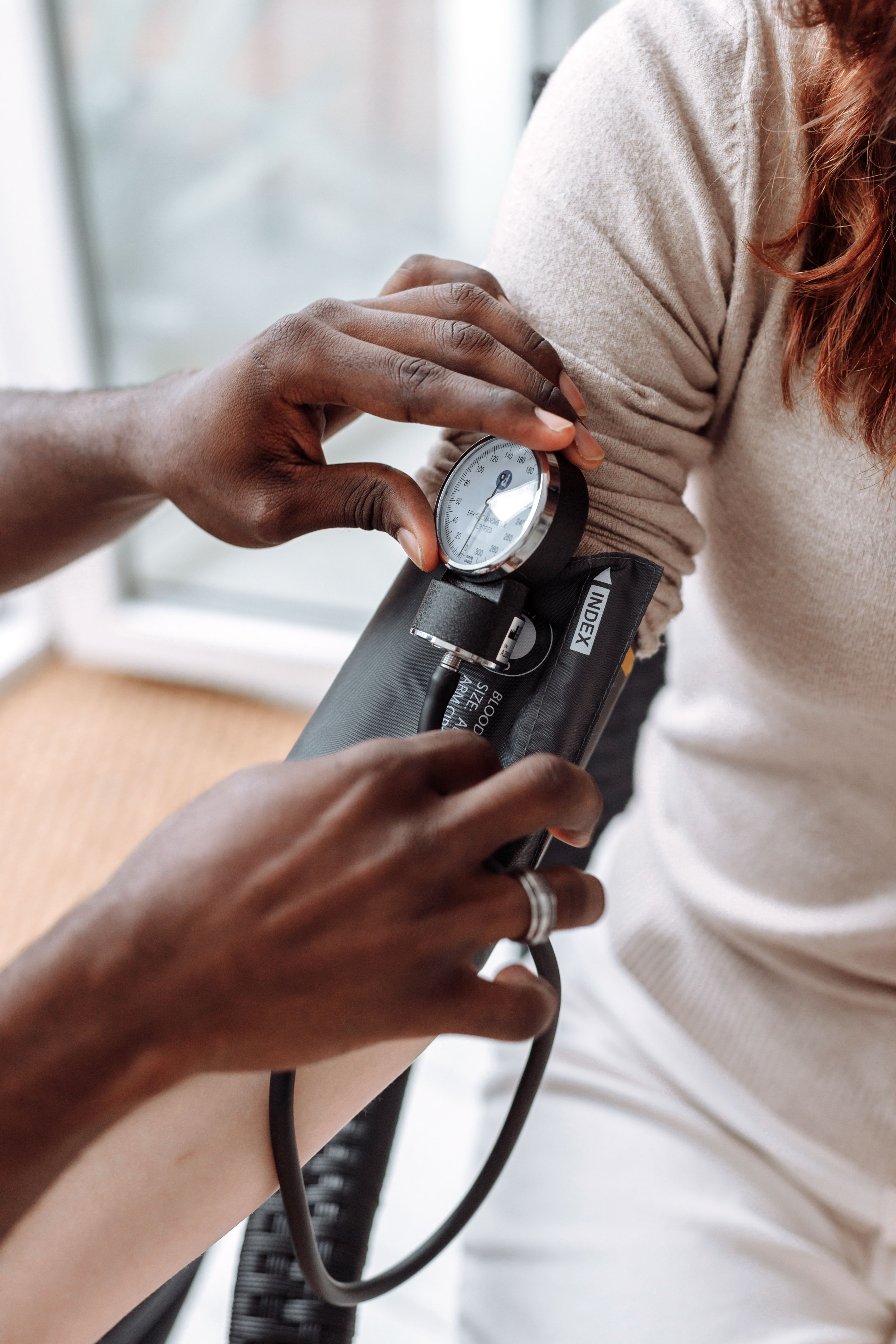
Blood Pressure: The Silent Killer Behind Stroke, Heart Attack and Preventable Deaths.
High blood pressure is becoming one of the most serious health concerns facing families around the world.
We hear stories of people who appeared healthy, went about their normal activities and then suddenly suffered a stroke, heart attack or other cardiovascular emergency.
In many of these cases, hypertension may have been present for years without obvious symptoms.
This is one reason high blood pressure is often described as a “silent killer.”
It can quietly damage blood vessels and vital organs long before a person realizes anything is wrong.
According to the World Health Organization, an estimated 1.4 billion adults aged 30–79 worldwide were living with hypertension in 2024, yet about 600 million—44%—did not know they had it. Only around 23% had their blood pressure adequately controlled.
These figures should concern everyone.
High blood pressure is not simply a number on a blood pressure monitor.
It can be a warning sign of serious cardiovascular risk.
What Is High Blood Pressure?
Blood pressure measures the force of blood pushing against the walls of your arteries as your heart pumps blood throughout your body.
It is written as two numbers.
The systolic pressure, the upper number, measures pressure when the heart contracts.
The diastolic pressure, the lower number, measures pressure when the heart relaxes between beats.
Different health authorities use somewhat different thresholds.
The World Health Organization defines hypertension as blood pressure of 140/90 mmHg or higher when confirmed on separate measurements.
Hypertension Canada’s current primary-care guideline recommends defining hypertension in adults as 130/80 mmHg or higher when measured under optimal conditions using a validated device, while treatment decisions also take overall cardiovascular risk into consideration.
The important message is not to diagnose yourself from one isolated reading.
Repeated elevated readings should be discussed with a healthcare professional.
Why High Blood Pressure Is So Dangerous
The greatest danger is that many people with hypertension feel perfectly normal.
There may be no headache.
There may be no dizziness.
There may be no chest pain.
There may be no obvious warning at all.
Yet excessive pressure may gradually damage the arteries, heart, brain, kidneys and other organs.
That is why simply saying, “I feel fine,” is not enough.
You can feel healthy and still have dangerously uncontrolled blood pressure.
High Blood Pressure and Stroke
One of the most frightening complications of uncontrolled hypertension is stroke.
High blood pressure can damage and weaken blood vessels supplying the brain.
A stroke may occur when a blood vessel becomes blocked or when a weakened blood vessel ruptures and bleeds into the brain.
Depending on the part of the brain affected, stroke can lead to:
- paralysis
- difficulty speaking
- memory problems
- difficulty swallowing
- vision problems
- permanent disability
- death
The World Health Organization identifies hypertension as an important contributor to stroke, while cardiovascular diseases—including heart attack and stroke—remain the leading cause of death globally.
High Blood Pressure and Heart Attack
The heart also suffers when blood pressure remains elevated for long periods.
The heart must pump against greater resistance.
Over time, arteries can become damaged, narrowed or hardened.
If blood flow to part of the heart becomes blocked, a heart attack can occur.
Uncontrolled hypertension can also contribute to:
- coronary artery disease
- enlargement of the heart
- heart failure
- abnormal heart rhythms
- sudden cardiovascular emergencies
The WHO notes that persistently elevated pressure can damage arteries and reduce blood and oxygen supply to the heart.
The Numbers Are Serious
The scale of the problem is enormous.
Globally, cardiovascular diseases account for an estimated 19.8 million deaths each year, and more than four out of five cardiovascular deaths are associated with heart attacks and strokes.
In the United States alone, the CDC reported that high blood pressure was a primary or contributing cause of 680,179 deaths in 2024. Nearly half of U.S. adults met the CDC definition for high blood pressure.
This does not mean hypertension is listed as the sole cause in every one of these deaths.
Rather, it demonstrates how frequently elevated blood pressure contributes to serious and sometimes fatal cardiovascular disease.
Why So Many People Do Not Know They Have Hypertension
There are several reasons.
1. There May Be No Symptoms
This is probably the biggest problem.
People may go for years without checking their blood pressure because they feel healthy.
2. Irregular Health Checkups
Some people only visit a doctor when they become ill.
Hypertension can therefore remain undetected.
3. Misunderstanding Blood Pressure
Some people believe high blood pressure only matters when they have headaches, dizziness or stress.
That is incorrect.
4. Stopping Medication When Blood Pressure Improves
This can be dangerous.
Medication may be the reason the blood pressure has improved.
Stopping prescribed medication without medical guidance may allow blood pressure to rise again.
5. Poor Treatment Adherence
Missing doses, sharing medication, taking medication only occasionally or failing to attend follow-up appointments can make hypertension difficult to control.
Risk Factors Everyone Should Know
Some risk factors cannot be changed, including increasing age, genetics and family history.
However, several major risk factors can often be modified.
They include:
- eating too much salt
- being overweight or obese
- physical inactivity
- smoking or tobacco exposure
- excessive alcohol consumption
- diets high in saturated or trans fats
- inadequate fruit and vegetable intake
Conditions such as diabetes and chronic kidney disease can also increase cardiovascular risk.
Salt Deserves Special Attention
Many people consume considerably more sodium than they realize.
Salt is found not only in the salt shaker but also in:
- processed meats
- instant noodles
- canned foods
- seasoning cubes
- packaged snacks
- sauces
- fast foods
- restaurant meals
- processed foods
Reducing dietary salt is one of the lifestyle measures recommended for preventing and managing hypertension.
Check Your Blood Pressure Regularly
One of the simplest actions people can take is to know their numbers.
You do not have to wait until you feel sick.
Blood pressure can be checked at:
- medical clinics
- pharmacies
- community health programs
- some workplaces
- at home with a validated blood pressure monitor
Hypertension Canada recommends using a validated automated blood pressure device and emphasizes proper measurement technique. It also recommends out-of-office measurements in many circumstances to help confirm hypertension and identify conditions such as white-coat or masked hypertension.
How to Reduce the Risk
Although genetics and age cannot be changed, many people can reduce their risk or improve blood-pressure control.
Helpful measures include:
Reduce Salt Intake
Use less salt and be cautious with highly processed foods.
Eat More Whole Foods
Choose more:
- vegetables
- fruits
- whole grains
- beans
- lentils
- nuts
- fish
- minimally processed foods
Stay Physically Active
Walking, cycling, swimming and other forms of regular physical activity can support cardiovascular health.
Maintain a Healthy Weight
Excess body weight can increase the workload on the heart and contribute to high blood pressure.
Avoid Tobacco
Smoking damages blood vessels and substantially increases cardiovascular risk.
Limit Alcohol
Excessive alcohol consumption can contribute to elevated blood pressure.
Manage Stress
Chronic stress can contribute to unhealthy behaviours and may make blood-pressure management more difficult.
Take Prescribed Medication Correctly
For many people, lifestyle changes alone will not be enough.
Blood-pressure medication can be lifesaving when appropriately prescribed.
Do not stop treatment simply because the readings improve.
Hypertension Canada recommends healthy lifestyle changes for adults with hypertension and pharmacological treatment for many patients depending on their blood-pressure level and cardiovascular risk.
When Very High Blood Pressure Becomes an Emergency
Very high blood pressure deserves particular attention.
If blood pressure is above 180/120 mmHg, repeat the measurement after a brief interval.
If it remains extremely high and there are symptoms such as:
- chest pain
- difficulty breathing
- severe headache
- weakness or numbness
- difficulty speaking
- sudden vision changes
- confusion
seek emergency medical attention immediately.
These symptoms may indicate a hypertensive emergency, stroke, heart attack or another serious condition.
Families Should Talk About Blood Pressure
Blood pressure should become part of ordinary family health conversations.
Ask your parents.
Ask your spouse.
Ask your siblings.
Encourage older relatives to check their blood pressure.
But younger adults should not assume hypertension is exclusively a disease of old age.
High blood pressure can develop long before retirement.
Knowing about it early provides an opportunity to control it before major organ damage occurs.
Do Not Wait for a Warning
One of the most dangerous attitudes toward hypertension is:
“Nothing is wrong with me because I feel fine.”
Unfortunately, high blood pressure may provide very little warning before a serious complication develops.
A person may discover hypertension only after experiencing a stroke, heart attack, kidney problem or another cardiovascular event.
That is exactly what prevention should help us avoid.
Final Thoughts
When we hear that someone suddenly suffered a stroke or heart attack, we often describe the event as unexpected.
Sometimes it truly is.
But in other cases, cardiovascular disease has been developing silently for years.
High blood pressure is one of the most important risk factors we can identify, treat and control.
The message is simple:
Know your blood pressure.
Know your numbers.
Take treatment seriously.
Reduce salt.
Stay active.
Eat well.
Do not stop prescribed medication without medical advice.
And never assume that feeling healthy means your blood pressure is normal.
A few minutes spent checking your blood pressure today could help prevent years of disability—or even save your life.
Healthy aging is not simply about adding more years to life.
It is about protecting the heart, brain and body so those years can be lived with strength, independence and good health.
References
World Health Organization. Hypertension. Updated September 25, 2025. The WHO estimates that approximately 1.4 billion adults aged 30–79 were living with hypertension in 2024 and describes hypertension as a major cause of premature death worldwide.
World Health Organization. Cardiovascular Diseases. WHO reports cardiovascular diseases as the leading global cause of death, accounting for an estimated 19.8 million deaths annually.
Hypertension Canada. 2025 Primary Care Guideline – Recommendations and Diagnosis. Current Canadian recommendations address diagnosis, validated blood-pressure measurement, lifestyle management and treatment targets.
Centers for Disease Control and Prevention. High Blood Pressure Facts. Updated June 2, 2026. The CDC reports that hypertension was a primary or contributing cause of more than 680,000 U.S. deaths in 2024.
American Heart Association. What Is High Blood Pressure? The AHA describes hypertension as a “silent killer” because it commonly produces no obvious symptoms while increasing the risk of stroke, heart attack and other complications.
Medical disclaimer: This article is for educational purposes and is not a substitute for individualized medical advice, diagnosis or treatment. Anyone concerned about their blood pressure should consult a qualified healthcare professional.
https://www.babacares.com/blog-details?details=1016&title=Blood+Pressure%3A+The+Silent+Killer+Behind+Stroke%2C+Heart+Attack+and+Preventable+Deaths.







Comments