

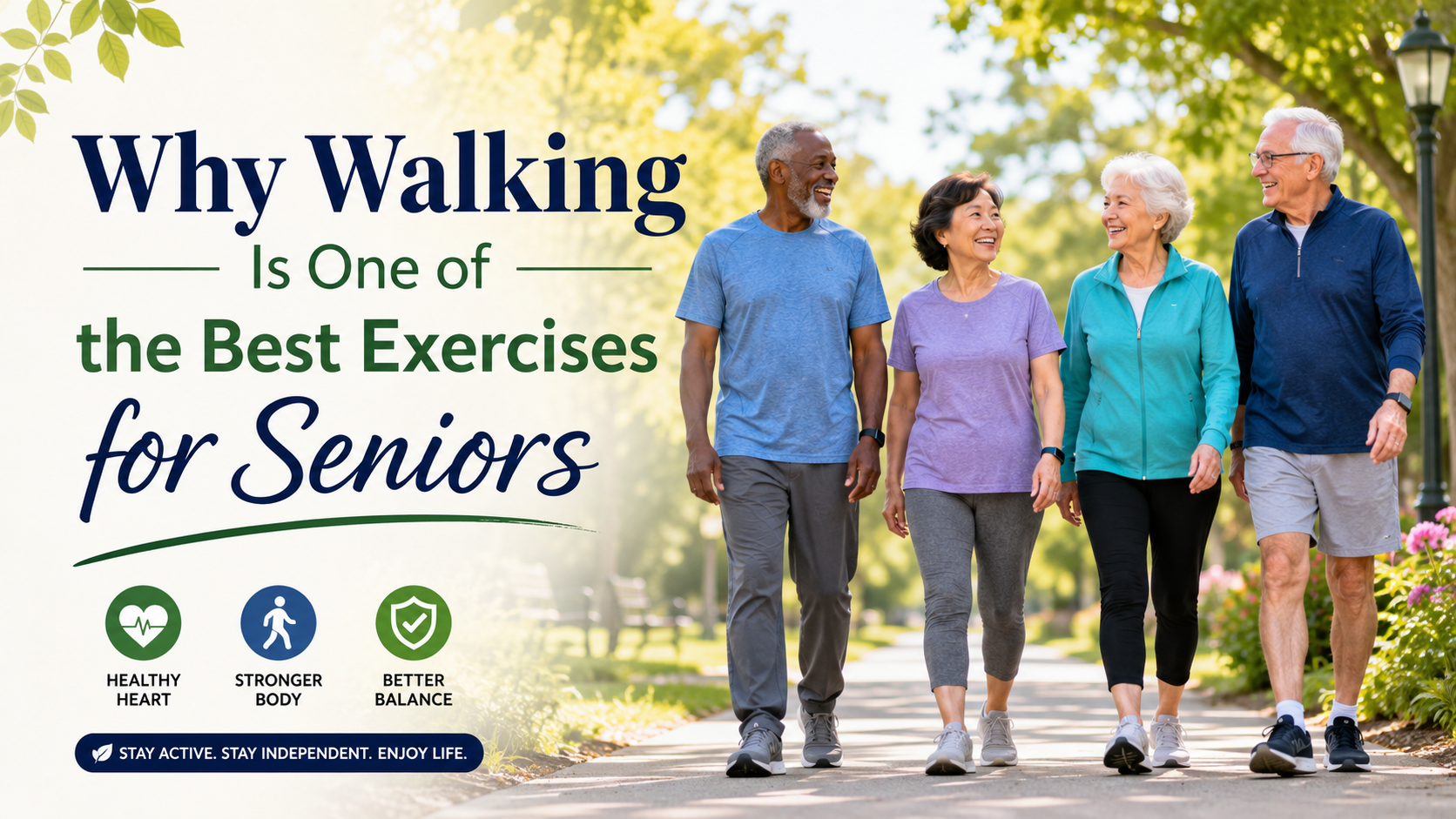
Why Walking Is One of the Best Exercises for Seniors
When it comes to exercise for older adults, many people assume staying fit requires expensive gym memberships, intense workouts, or complicated fitness routines. But one of the most effective exercises for seniors is something simple, free, and accessible to almost everyone: walking.
Walking may seem ordinary, but its health benefits are extraordinary. For seniors, regular walking can improve physical strength, mental well-being, mobility, and overall quality of life. It is one of the safest and most sustainable ways to remain active while aging.
The beauty of walking lies in its simplicity. You do not need special skills to start. All you need is a comfortable pair of shoes and the willingness to move.
Here is why walking is one of the best exercises for seniors.
1. Walking Improves Heart Health
The heart is a muscle, and like all muscles, it benefits from regular exercise.
Walking helps improve cardiovascular function by:
- strengthening the heart
- improving blood circulation
- lowering blood pressure
- reducing bad cholesterol
- improving oxygen delivery throughout the body
Regular walking can reduce the risk of:
- heart disease
- stroke
- hypertension
Even moderate walking for 20–30 minutes daily can support a healthier heart.
Relevant entities: Cardiovascular Disease, Hypertension
Relevant exercise: Walking
2. Walking Strengthens Muscles and Bones
As people age, they naturally lose muscle mass and bone density.
This can increase the risk of:
- weakness
- falls
- fractures
- reduced mobility
Walking is a weight-bearing exercise, meaning it helps maintain bone strength and encourages muscle use.
It particularly strengthens:
- legs
- hips
- lower back
- core muscles
Stronger muscles and bones support independence.
Relevant entities: Sarcopenia, Osteoporosis
3. Walking Improves Balance and Reduces Fall Risk
Falls are a major health concern for seniors.
Poor balance, weak muscles, and reduced coordination can increase fall risk.
Regular walking improves:
- coordination
- posture
- lower body strength
- stability
Better balance helps seniors move confidently and safely.
Preventing falls is crucial because one serious fall can significantly affect quality of life.
4. Walking Helps Control Blood Sugar
Physical activity helps the body use insulin more effectively.
Walking can improve blood sugar control and reduce the risk of diabetes complications.
For seniors living with diabetes, walking after meals may help reduce blood glucose spikes.
This makes walking especially valuable for metabolic health.
Relevant entity: Type 2 Diabetes
5. Walking Supports Brain Health
Walking benefits the brain as much as the body.
Research suggests regular physical activity improves blood flow to the brain and supports cognitive function.
Walking may help:
- improve concentration
- enhance memory
- reduce stress
- lower dementia risk
Exercise stimulates brain-supporting chemicals that promote mental sharpness.
Relevant entities: Dementia, Alzheimer's Disease
6. Walking Boosts Mood and Mental Health
Exercise is a natural mood booster.
Walking helps release endorphins—chemicals that improve mood and reduce stress.
For seniors, walking can help reduce:
- anxiety
- loneliness
- stress
- symptoms of depression
Walking outdoors adds extra mental health benefits through sunlight, fresh air, and connection with nature.
Even a short daily walk can brighten the day.
7. Walking Helps With Weight Management
Metabolism naturally slows with age.
This makes weight gain more common, especially when activity levels decrease.
Walking burns calories and supports a healthy weight.
Maintaining healthy weight reduces strain on:
- knees
- hips
- heart
- joints
It also lowers chronic disease risk.
8. Walking Improves Sleep
Many seniors struggle with poor sleep.
Regular walking helps regulate the body’s internal clock and improve sleep quality.
Walking can help people:
- fall asleep faster
- sleep deeper
- wake up feeling refreshed
Better sleep improves overall health and energy.
9. Walking Encourages Social Connection
Walking does not have to be done alone.
Many seniors enjoy walking with:
- spouses
- friends
- neighbors
- walking groups
Walking together promotes accountability and companionship.
Social interaction helps reduce isolation and improves emotional well-being.
Relevant concept: Social Isolation
10. Walking Is Safe, Affordable, and Sustainable
One major reason walking is ideal for seniors is accessibility.
Walking requires:
- no expensive equipment
- no gym membership
- no advanced training
It can be done:
- indoors
- outdoors
- in malls
- in parks
- around the neighborhood
Because walking is gentle on the body, many seniors can continue doing it consistently.
Consistency matters more than intensity.
How Much Should Seniors Walk?
Health experts generally recommend at least 150 minutes of moderate physical activity per week.
That translates to about:
- 30 minutes daily for 5 days
Beginners can start small:
- 5 minutes
- 10 minutes
- gradually increase over time
Every step counts.
Final Thoughts
Walking may be simple, but it is one of the most powerful tools for healthy aging.
It strengthens the heart, protects the brain, improves mood, enhances mobility, and supports independence.
For seniors, walking is not just exercise—it is an investment in longevity and quality of life.
You do not need to walk fast or far to benefit.
Just start.
One step today can lead to a healthier tomorrow.
Want to Learn More?
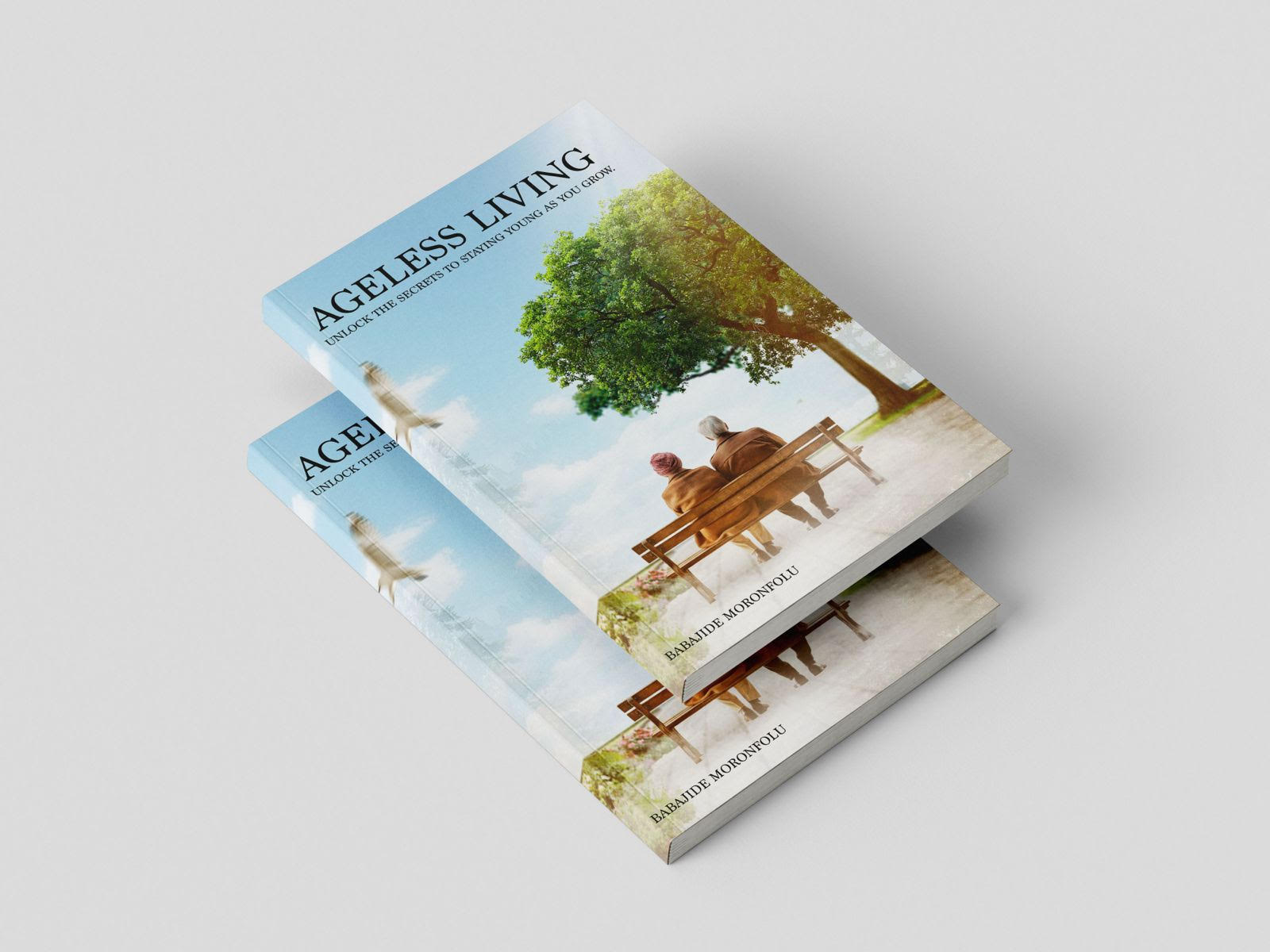
For more practical wellness and longevity tips, search “Babajide Moronfolu” on Amazon and explore:
- Ageless Living: Unlock the Secrets to Staying Young as You Grow
- Do Not Grow Old Prematurely: Timeless Principles for Body, Mind, and Lifelong Vitality
References
- National Institute on Aging
- Centers for Disease Control and Prevention – Physical Activity for Older Adults
- World Health Organization – Physical Activity
- Mayo Clinic – Walking for Health
https://www.babacares.com/blog-details?details=1007&title=Why+Walking+Is+One+of+the+Best+Exercises+for+Seniors









Comments